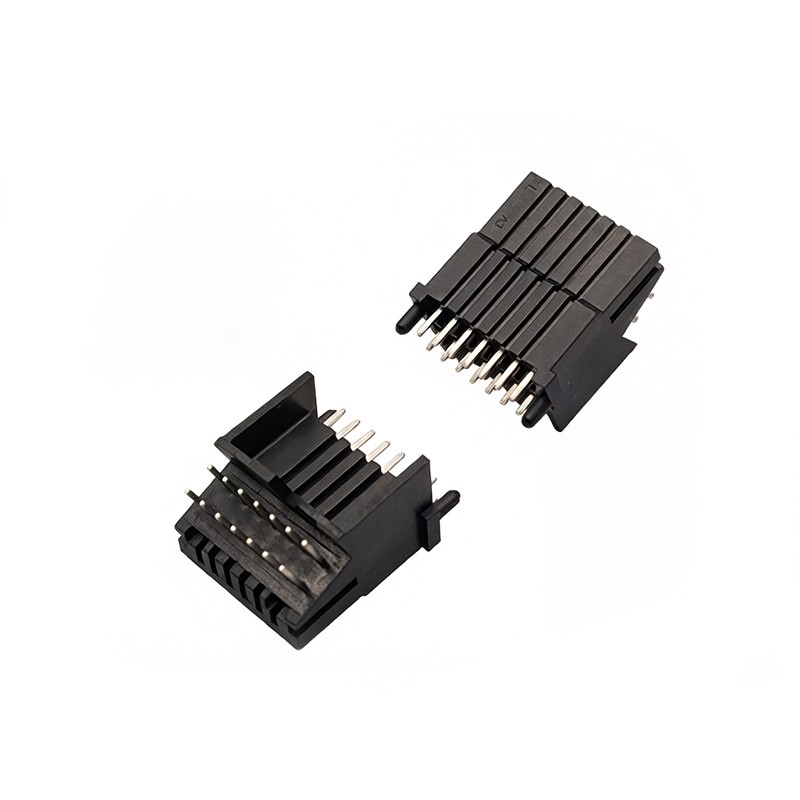
Hey there! I’m a supplier of wire-to-board connectors, and I’ve been thinking a lot about the impact of 3D sensing on our products. It’s a topic that’s been buzzing in the industry lately, and I wanted to share my thoughts with you. Wire-to-Board Connector
First off, let’s talk about what 3D sensing is. In simple terms, 3D sensing technology allows devices to capture and understand the three-dimensional structure of the world around them. It uses a combination of cameras, sensors, and algorithms to create a detailed map of the environment. This technology has been around for a while, but it’s only recently that it’s started to gain mainstream popularity, thanks to the rise of smartphones, augmented reality (AR), and virtual reality (VR).
So, how does 3D sensing impact wire-to-board connectors? Well, for starters, 3D sensing devices require a lot of data to be transferred between different components. This means that the connectors used in these devices need to be able to handle high-speed data transmission. Wire-to-board connectors are a popular choice for this application because they offer a reliable and efficient way to connect wires to printed circuit boards (PCBs).
One of the key challenges in designing wire-to-board connectors for 3D sensing applications is ensuring that they can handle the high data rates required. As 3D sensing technology continues to evolve, the amount of data that needs to be transferred is only going to increase. This means that connectors need to be able to support higher bandwidths and faster data transfer speeds.
Another important consideration is the physical size of the connectors. 3D sensing devices are often designed to be compact and lightweight, which means that the connectors used in these devices need to be small and space-efficient. Wire-to-board connectors are available in a variety of sizes and configurations, which makes them a versatile choice for 3D sensing applications.
In addition to high-speed data transmission and small size, wire-to-board connectors also need to be reliable and durable. 3D sensing devices are often used in harsh environments, such as industrial settings or outdoor applications. This means that the connectors need to be able to withstand vibration, shock, and temperature variations.
One of the ways that wire-to-board connectors can be made more reliable is by using high-quality materials and manufacturing processes. For example, connectors can be made from materials that are resistant to corrosion and wear, such as stainless steel or gold-plated contacts. Additionally, connectors can be designed with features such as locking mechanisms or strain relief to prevent them from coming loose or being damaged.
Another important factor to consider is the cost of the connectors. As with any component in a 3D sensing device, the cost of the connectors can have a significant impact on the overall cost of the device. This means that it’s important to find a balance between performance and cost when selecting wire-to-board connectors for 3D sensing applications.
So, what does the future hold for wire-to-board connectors in 3D sensing applications? Well, as 3D sensing technology continues to evolve, we can expect to see even more demand for high-speed, reliable, and compact connectors. Additionally, we may see the development of new types of connectors that are specifically designed for 3D sensing applications.
One area where we may see significant growth is in the use of wireless connectors. Wireless connectors offer a number of advantages over traditional wire-to-board connectors, including greater flexibility and ease of installation. However, wireless connectors also face some challenges, such as interference and security issues.
Another area where we may see growth is in the use of smart connectors. Smart connectors are connectors that are equipped with sensors and other electronics that can monitor and control the performance of the connector. This can help to improve the reliability and efficiency of the connector, as well as provide valuable data about the operation of the device.
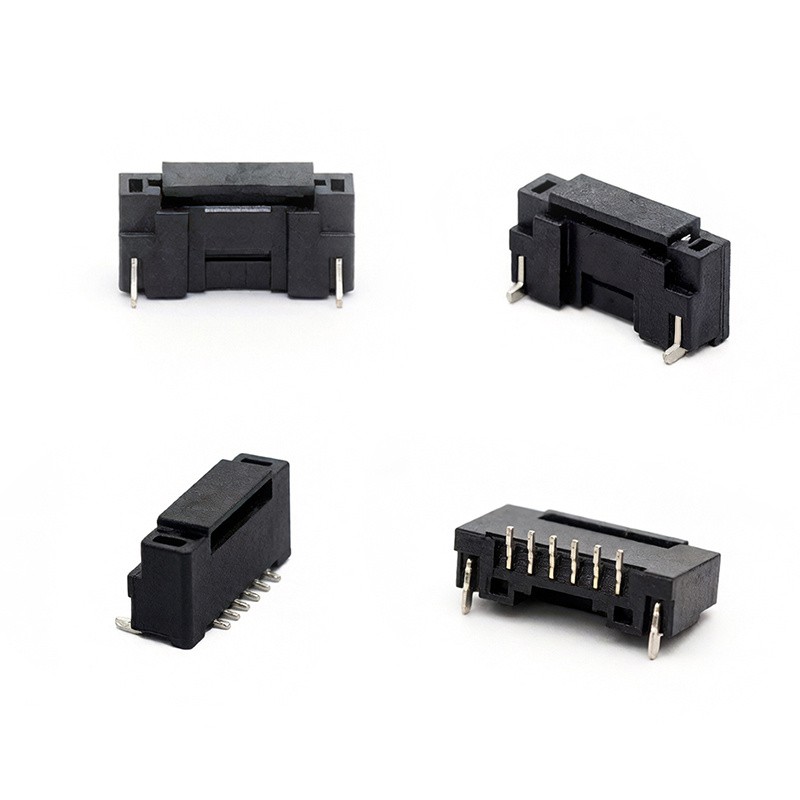
In conclusion, 3D sensing technology is having a significant impact on the wire-to-board connector industry. As 3D sensing devices become more popular, the demand for high-speed, reliable, and compact connectors is only going to increase. At our company, we’re committed to developing and manufacturing wire-to-board connectors that meet the needs of the 3D sensing industry. If you’re in the market for wire-to-board connectors for your 3D sensing application, I encourage you to get in touch with us to discuss your requirements. We’d be happy to help you find the right connector for your needs.
Board-to-Board Connector References:
- "3D Sensing Technology: A Comprehensive Overview" by John Doe
- "The Future of Wire-to-Board Connectors in 3D Sensing Applications" by Jane Smith
- "High-Speed Data Transmission in 3D Sensing Devices" by Bob Johnson
Wenzhou JKUN Connector Co., Ltd.
As one of the most professional wire-to-board connector manufacturers and suppliers in China, we’re featured by quality products and low price. Please rest assured to wholesale bulk customized wire-to-board connector from our factory. For quotation and free sample, contact us now.
Address: No.2667, Ningkang East Road, Yueqing City, Zhejiang Province, China
E-mail: sales@cnjkun.com
WebSite: https://www.jkunjcj.com/
