In the realm of machinery parts, shafts play a pivotal role. They are the unsung heroes that transfer power, support rotating components, and ensure the smooth operation of various mechanical systems. As a dedicated machinery parts supplier, I’ve had the privilege of working with a wide array of materials for making shafts. In this blog, I’ll delve into the common materials used in shaft manufacturing, their properties, and their applications. Machinery Parts
Steel
Steel is by far the most widely used material for making shafts in machinery parts. Its popularity stems from its excellent combination of strength, toughness, and machinability. There are several types of steel commonly used for shafts, each with its own unique properties.
Carbon Steel
Carbon steel is a basic type of steel that contains carbon as the main alloying element. It is known for its high strength and relatively low cost. Low – carbon steel (less than 0.3% carbon) is often used for shafts that do not require high strength. It is easy to machine and weld, making it suitable for general – purpose applications. Medium – carbon steel (0.3% – 0.6% carbon) offers a good balance between strength and ductility. It can be heat – treated to increase its hardness and strength, making it suitable for shafts in automotive engines, industrial machinery, and power transmission systems. High – carbon steel (more than 0.6% carbon) is very hard and strong but has lower ductility. It is used for shafts that need to withstand high wear and stress, such as in cutting tools and high – performance machinery.
Alloy Steel
Alloy steel is steel that contains additional alloying elements such as chromium, nickel, molybdenum, and vanadium. These elements enhance the properties of the steel, such as strength, hardness, corrosion resistance, and heat resistance. For example, chrome – molybdenum steel (4140) is a popular alloy steel for shafts. It has high strength, good toughness, and excellent fatigue resistance. It is commonly used in automotive drivetrains, aerospace components, and heavy – duty machinery. Nickel – chromium – molybdenum steel (4340) is another high – strength alloy steel. It offers superior hardenability and can be heat – treated to achieve very high strength levels. It is often used in applications where high – stress and high – performance are required, such as in aircraft landing gear and military equipment.
Stainless Steel
Stainless steel is a type of steel that contains chromium, which gives it excellent corrosion resistance. It is used for shafts in applications where corrosion is a concern, such as in food processing equipment, marine machinery, and chemical processing plants. Austenitic stainless steels, such as 304 and 316, are the most commonly used types for shafts. They have good ductility, formability, and corrosion resistance. Ferritic stainless steels, such as 430, are also used in some applications. They have lower corrosion resistance than austenitic stainless steels but are more magnetic and less expensive. Martensitic stainless steels, such as 410, are hard and strong but have lower corrosion resistance compared to austenitic and ferritic stainless steels. They are used for shafts that require high hardness and wear resistance, such as in cutlery and some industrial tools.
Aluminum
Aluminum is a lightweight metal with good corrosion resistance and high thermal conductivity. It is used for shafts in applications where weight is a critical factor, such as in aerospace and automotive industries. Aluminum alloys, such as 6061 and 7075, are commonly used for shaft manufacturing. 6061 aluminum alloy has good strength, formability, and corrosion resistance. It is easy to machine and weld, making it suitable for a wide range of applications. 7075 aluminum alloy is a high – strength alloy. It has excellent fatigue resistance and is often used in high – performance applications, such as in aircraft wings and racing car components. However, aluminum shafts have lower strength compared to steel shafts, so they are usually used in applications where the load is relatively low.
Titanium
Titanium is a strong and lightweight metal with excellent corrosion resistance and high heat resistance. It is used for shafts in applications where high strength – to – weight ratio and corrosion resistance are required, such as in aerospace, medical, and chemical industries. Titanium alloys, such as Ti – 6Al – 4V, are commonly used for shaft manufacturing. Ti – 6Al – 4V is a versatile alloy that offers a good balance between strength, ductility, and corrosion resistance. It is widely used in aircraft engines, medical implants, and high – performance sports equipment. However, titanium is more expensive than steel and aluminum, and it is also more difficult to machine, which limits its use in some applications.
Cast Iron
Cast iron is a brittle material with good wear resistance and damping properties. It is used for shafts in applications where vibration damping and wear resistance are important, such as in machine tools and some industrial equipment. Gray cast iron is the most commonly used type for shafts. It has a graphite microstructure that provides good lubrication and wear resistance. Ductile cast iron, also known as nodular cast iron, has better ductility and toughness compared to gray cast iron. It is used for shafts that need to withstand higher loads and stresses.
Choosing the Right Material for Shafts
When choosing the material for a shaft, several factors need to be considered. The first factor is the load and stress that the shaft will be subjected to. If the shaft needs to withstand high loads and stresses, a high – strength material such as alloy steel or titanium should be used. The second factor is the operating environment. If the shaft will be exposed to corrosive substances, a corrosion – resistant material such as stainless steel or titanium should be selected. The third factor is the weight requirement. If weight is a critical factor, a lightweight material such as aluminum or titanium should be considered. The fourth factor is the cost. The material should be selected based on the budget of the project.
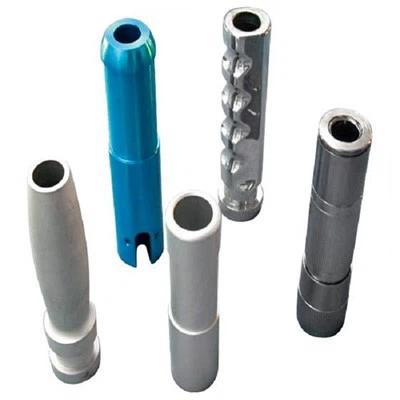
As a machinery parts supplier, I understand the importance of choosing the right material for shafts. We have a wide range of materials available for shaft manufacturing, and we can provide customized solutions based on our customers’ specific requirements. Whether you need a high – strength steel shaft for a heavy – duty application or a lightweight aluminum shaft for an aerospace project, we can help you find the best material and manufacturing process.
Metal Stamped Parts If you are in the market for high – quality shafts or other machinery parts, I encourage you to reach out to us for a consultation. Our team of experts is ready to assist you in selecting the right materials, designing the optimal shaft, and ensuring the highest level of quality in the manufacturing process. We are committed to providing our customers with the best products and services at competitive prices. Let’s start a conversation about your project and see how we can meet your needs.
References
- ASM Handbook Volume 1: Properties and Selection: Irons, Steels, and High – Performance Alloys.
- Machinery’s Handbook, 31st Edition.
- Material Science and Engineering: An Introduction, 9th Edition by William D. Callister, Jr. and David G. Rethwisch.
Hangzhou Zhalihui Import And Export Co., Ltd.
We are one of the most experienced machinery parts manufacturers and suppliers in China, specialized in providing high quality customized products. Please feel free to buy discount machinery parts in stock here from our factory. Contact us for quotation.
Address: Room 2801, Building 2, Taifu Plaza, No.17, Tonghui Middle Road, Chengxiang Street, Xiaoshan, Hangzhou, Zhejiang
E-mail: Chars_1979@hotmail.com
WebSite: https://www.zhalihui.com/
