As a supplier of mechanical water meters, I’ve witnessed firsthand the importance of accurate water measurement in various applications, especially in mobile water supply devices. Installing a mechanical water meter in a mobile water supply device might seem daunting at first, but with the right guidance and a bit of know – how, it can be a straightforward process. In this blog, I’ll walk you through the steps of installing a mechanical water meter in a mobile water supply device, ensuring that you can measure water usage accurately and efficiently. Mechanical Water Meter
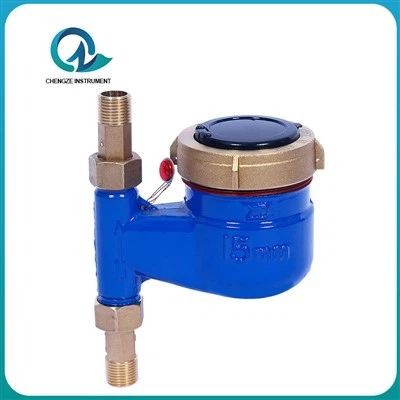
Understanding the Basics of a Mechanical Water Meter
Before we dive into the installation process, it’s essential to understand what a mechanical water meter is and how it works. A mechanical water meter is a device that measures the volume of water flowing through a pipe. It typically consists of a measuring chamber, a register, and a series of gears and dials. As water flows through the meter, it causes the gears to turn, which in turn moves the dials on the register, indicating the amount of water that has passed through.
There are different types of mechanical water meters, such as positive displacement meters and turbine meters. Positive displacement meters are ideal for measuring small to medium flow rates and are highly accurate. Turbine meters, on the other hand, are better suited for measuring larger flow rates and are more commonly used in industrial applications. When choosing a mechanical water meter for your mobile water supply device, consider factors such as the flow rate, pressure, and the type of water being measured.
Tools and Materials Needed
To install a mechanical water meter in a mobile water supply device, you’ll need the following tools and materials:
- Mechanical water meter: Choose a meter that is suitable for the flow rate and pressure of your mobile water supply device.
- Pipe wrenches: You’ll need at least two pipe wrenches to loosen and tighten the pipes.
- Teflon tape: This is used to seal the threaded connections and prevent leaks.
- Pipe cutter: If you need to cut the pipes to fit the meter, a pipe cutter will come in handy.
- Safety goggles and gloves: These will protect you from any potential hazards during the installation process.
Step – by – Step Installation Process
Step 1: Shut Off the Water Supply
The first step in installing a mechanical water meter is to shut off the water supply to the mobile water supply device. This will prevent any water from flowing through the pipes while you’re installing the meter and reduce the risk of leaks. Locate the main water valve and turn it clockwise until it is fully closed.
Step 2: Choose the Installation Location
Select a suitable location for the mechanical water meter. The location should be easily accessible for reading the meter and performing maintenance. It should also be protected from extreme temperatures, moisture, and physical damage. Additionally, make sure that there is enough space around the meter to allow for proper installation and operation.
Step 3: Prepare the Pipes
Once you’ve chosen the installation location, you’ll need to prepare the pipes. Use a pipe cutter to cut the pipes to the appropriate length if necessary. Make sure that the cut ends of the pipes are clean and smooth. Remove any burrs or debris from the pipes using a file or sandpaper.
Step 4: Apply Teflon Tape
Wrap Teflon tape around the male threads of the pipes. Make sure to wrap the tape in a clockwise direction, starting from the end of the threads. This will help to create a tight seal and prevent leaks. Apply at least three to four layers of Teflon tape.
Step 5: Install the Mechanical Water Meter
Carefully insert the mechanical water meter between the two pipes. Make sure that the flow direction arrow on the meter is pointing in the same direction as the water flow. Use a pipe wrench to tighten the connections on both sides of the meter. Be careful not to over – tighten the connections, as this can damage the meter or the pipes.
Step 6: Check for Leaks
Once the meter is installed, turn on the water supply slowly. Check for any leaks around the connections of the meter and the pipes. If you notice any leaks, turn off the water supply and tighten the connections further. You may also need to add more Teflon tape to the threads.
Step 7: Calibrate the Meter (if necessary)
Some mechanical water meters may need to be calibrated to ensure accurate measurement. Refer to the manufacturer’s instructions for the specific calibration procedure. Calibration typically involves adjusting the meter to match a known volume of water.
Maintenance and Troubleshooting
After installing the mechanical water meter, it’s important to perform regular maintenance to ensure its proper operation. Here are some maintenance tips:
- Check for leaks: Regularly inspect the meter and the pipes for any signs of leaks. If you notice a leak, repair it immediately to prevent water loss.
- Clean the meter: Over time, debris and sediment can accumulate in the meter, affecting its accuracy. Clean the meter periodically according to the manufacturer’s instructions.
- Replace worn parts: If any parts of the meter are worn or damaged, replace them as soon as possible. This will help to ensure the long – term reliability of the meter.
In case you encounter any problems with the mechanical water meter, here are some common troubleshooting tips:
- Inaccurate readings: If the meter is giving inaccurate readings, check for any blockages in the pipes or the meter. You may also need to calibrate the meter.
- No readings: If the meter is not giving any readings, check the water supply and make sure that water is flowing through the meter. Also, check for any loose connections or damaged parts.
Why Choose Our Mechanical Water Meters
As a leading supplier of mechanical water meters, we offer high – quality products that are designed to meet the needs of various applications. Our meters are made from durable materials and are built to last. They are also highly accurate, ensuring that you can measure water usage precisely.
We have a team of experienced professionals who can provide you with technical support and guidance throughout the installation and maintenance process. Whether you’re a small business owner or a large industrial company, we can help you find the right mechanical water meter for your mobile water supply device.
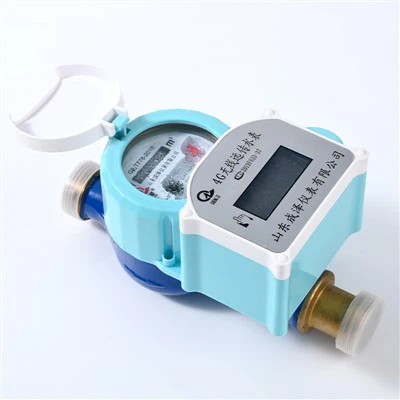
If you’re interested in purchasing a mechanical water meter for your mobile water supply device, we encourage you to contact us for a detailed consultation. Our sales team will be happy to answer any questions you may have and provide you with a competitive quote. We believe in building long – term relationships with our customers, and we’re committed to providing you with the best products and services.
References
- "Water Meter Installation and Maintenance Guide", Water Meter Manufacturers Association
- "Mechanical Water Meter Technology", International Water Association Journal
Ultrasonic Water Meter In conclusion, installing a mechanical water meter in a mobile water supply device is a process that requires careful planning and execution. By following the steps outlined in this blog and choosing a high – quality meter from a reliable supplier, you can ensure accurate water measurement and efficient operation of your mobile water supply device. Don’t hesitate to reach out to us if you have any questions or need assistance with your water meter purchase.
Shandong Chengze Instrument Co., Ltd.
We’re well-known as one of the leading mechanical water meter manufacturers in China, featured by quality products and good service. Please rest assured to buy high-grade mechanical water meter for sale here from our factory. Also, customized service is available.
Address: No.7, Wensi Road North Industrial Park, Liguan Town, Lanshan District, Linyi City, Shandong Province, China
E-mail: czwatermeter@163.com
WebSite: https://www.cz-watermeter.com/
