As a supplier of elevator inspection boxes, I often get asked about the software requirements for these nifty devices. So, I thought I’d take a moment to break it down for you in a way that’s easy to understand. Elevator Inspection Box
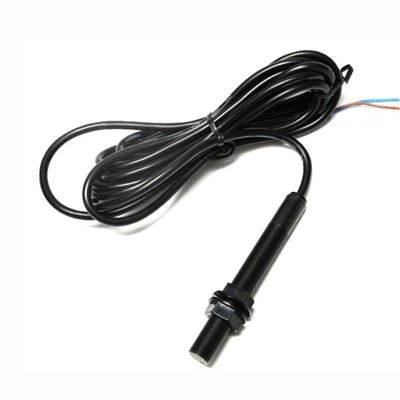
Let’s start with the basics. An elevator inspection box is a crucial tool used by technicians to assess the safety and functionality of elevators. It’s like the doctor’s stethoscope for elevators, helping to diagnose any issues and ensure everything is running smoothly. And just like a doctor needs the right equipment and knowledge to do their job, an elevator inspection box needs the right software to be effective.
Compatibility and Integration
First off, the software needs to be compatible with the various types of elevators out there. Elevators come in all shapes and sizes, from small residential ones to large commercial installations. So, the software should be able to work with different elevator control systems, whether they’re old – school mechanical systems or the latest high – tech digital ones.
It also needs to integrate well with other inspection tools and systems that technicians might be using. For example, it should be able to communicate with diagnostic sensors installed in the elevator. This way, the inspection box can collect real – time data from these sensors, like temperature readings, vibration levels, and door opening/closing times. The software should then be able to analyze this data and present it in an easy – to – understand format.
User – Friendly Interface
Let’s face it, technicians are busy people. They don’t have time to struggle with a complicated software interface. So, the software for an elevator inspection box needs to be user – friendly. It should have a simple and intuitive layout, with clear menus and buttons. The screens should be easy to read, even in low – light conditions, which is often the case in elevator shafts.
Navigation should be a breeze. Technicians should be able to quickly access different functions, like starting a new inspection, viewing past inspection reports, or adjusting inspection settings. There should also be minimal training required to use the software. A technician should be able to pick up the inspection box and start using the software right away, without having to spend hours in training.
Data Management
Data is king when it comes to elevator inspections. The software needs to be able to manage a large amount of data effectively. It should be able to store inspection results securely, so that technicians can refer back to them later. This is important for tracking the elevator’s performance over time and for identifying any recurring issues.
The software should also allow for easy data retrieval. Technicians should be able to search for specific inspection reports based on criteria like elevator location, inspection date, or the type of problem detected. And when it comes to sharing data, the software should support common file formats, like PDF or Excel, so that reports can be easily sent to building managers, maintenance teams, or regulatory authorities.
Real – Time Monitoring and Alerts
In addition to conducting inspections, the elevator inspection box software should be capable of real – time monitoring. It can continuously monitor the elevator’s performance and detect any potential issues as they arise. For example, if the software detects an abnormal increase in vibration levels, it can immediately send an alert to the technician’s device.
These alerts can be in the form of pop – up messages on the inspection box screen, email notifications, or even SMS alerts. This allows technicians to respond quickly to any problems, reducing the risk of elevator breakdowns and ensuring the safety of passengers.
Reporting and Documentation
A good elevator inspection box software should generate comprehensive and professional – looking reports. The reports should include all the relevant information about the elevator inspection, such as the inspection date, the technician’s name, the elevator’s location, and a detailed description of the inspection findings.
The reports should also include recommendations for any necessary repairs or maintenance. This helps building managers and maintenance teams to prioritize their work and take appropriate action. And of course, the software should be able to print these reports or save them in digital format for easy distribution.
Updates and Support
Software is not a one – time deal. It needs to be updated regularly to keep up with the latest technologies and security standards. As a supplier, we make sure that the software for our elevator inspection boxes is updated frequently. These updates can include bug fixes, performance improvements, and new features.
We also provide comprehensive support to our customers. If a technician has any questions or runs into problems with the software, they can reach out to our support team. We’re always here to help, whether it’s troubleshooting a technical issue or providing training on new software features.
Compliance and Standards
Elevator inspections are subject to a variety of regulations and standards. The software for the elevator inspection box needs to be compliant with these regulations. For example, it should be able to generate reports that meet the requirements of local and national safety authorities.
It should also be able to record and track compliance – related data, like the elevator’s maintenance history and safety certifications. This helps building owners and operators to demonstrate that their elevators are being properly maintained and are in compliance with all relevant regulations.
Cost – Effectiveness
Last but not least, the software should be cost – effective. We understand that building owners and maintenance companies are always looking for ways to save money. So, we offer our elevator inspection box software at a reasonable price. We also provide flexible licensing options, so that our customers can choose the plan that best suits their needs and budget.
In conclusion, the software requirements for an elevator inspection box are quite extensive. It needs to be compatible, user – friendly, capable of effective data management, support real – time monitoring, generate professional reports, receive regular updates, comply with regulations, and be cost – effective.
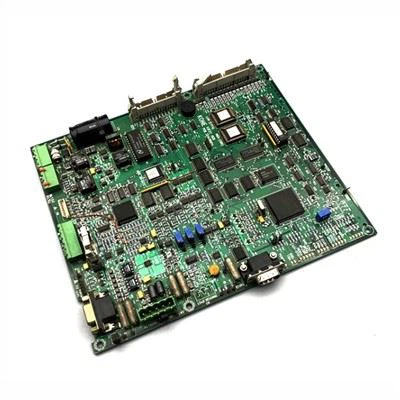
If you’re in the market for an elevator inspection box and are interested in learning more about our products and software, don’t hesitate to reach out. We’d be more than happy to have a chat with you about your specific needs and how our solutions can benefit you. Whether you’re a small – scale elevator maintenance company or a large building management firm, we have the right elevator inspection box and software for you. Just drop us a message and let’s start the conversation!
Elevator Door Hanging Plate References
- "Elevator Safety Standards and Regulations Handbook"
- "Best Practices in Elevator Maintenance and Inspection"
- Industry reports on elevator technology and software trends
Sanjin Elevator Parts Co., Ltd.
Sanjin Elevator Parts Co., Ltd. is one of the most professional elevator inspection box manufacturers and suppliers in China, featured by quality products and good service. Please rest assured to buy or wholesale high-grade elevator inspection box at competitive price from our factory.
Address: 18th Floor, Xinyuan Center, Fenghe Road, Xi’an, Shaanxi, China
E-mail: elevatorparts@westdt.com
WebSite: https://www.sanjinelevator.com/
