Hey there! I’m a supplier in the primary recovery business, and I’ve been thinking a lot about the innovation opportunities in this field. Primary recovery is all about getting that initial bit of oil or gas out of the ground, and it’s a crucial step in the whole energy production process. So, let’s dive into some of the cool innovation opportunities that are out there. Primary Recovery

Advanced Reservoir Characterization
One of the big areas where we can see some major innovation is in advanced reservoir characterization. You see, understanding what’s going on underground is super important. We need to know where the oil and gas are, how they’re trapped, and what kind of rock formations we’re dealing with.
Traditional methods of reservoir characterization have their limitations. They often rely on seismic data, well logs, and core samples. But these methods can be expensive, time – consuming, and sometimes not very accurate. That’s where innovation comes in.
New technologies like microseismic monitoring can give us a much better picture of what’s happening underground. This technology detects tiny seismic events that occur when the reservoir is being stimulated or when fluids are moving. By analyzing these microseismic events, we can map out the fractures in the rock, which helps us understand how the oil and gas are flowing.
Another cool innovation is the use of artificial intelligence (AI) and machine learning in reservoir characterization. AI algorithms can analyze large amounts of data from multiple sources, such as seismic data, well logs, and production history. These algorithms can then identify patterns and make predictions about the reservoir’s properties. This not only saves time but also improves the accuracy of our reservoir models.
As a primary recovery supplier, I see a huge opportunity here. We can offer our clients more advanced reservoir characterization services using these new technologies. This will help them make better decisions about where to drill, how to optimize production, and ultimately, how to get more oil and gas out of the ground.
Enhanced Oil Recovery (EOR) Techniques
Enhanced Oil Recovery is another area with a ton of innovation potential. Traditional primary recovery methods usually only recover about 10 – 20% of the oil in a reservoir. That means there’s a whole lot of oil still left underground.
One of the most promising EOR techniques is the use of nanoparticles. Nanoparticles can be injected into the reservoir to change the properties of the oil and the rock. For example, they can reduce the surface tension between the oil and the water, making it easier for the oil to flow. They can also plug small pores in the rock, forcing the oil to move towards the production well.
Another innovative EOR technique is the use of microorganisms. Some bacteria can break down the heavy hydrocarbons in the oil, making it less viscous and easier to produce. These microorganisms can be injected into the reservoir, where they get to work on the oil.
As a supplier, we can develop and supply the materials needed for these EOR techniques. We can also offer technical support to our clients to help them implement these methods effectively. This could open up new markets for us and help our clients increase their oil production.
Automation and Robotics
In the primary recovery process, there are a lot of tasks that are repetitive, dangerous, or require a high level of precision. This is where automation and robotics come in.
Automated drilling systems can improve the accuracy and efficiency of the drilling process. These systems can adjust the drilling parameters in real – time based on the data they receive from sensors. This means less downtime, fewer mistakes, and ultimately, a more cost – effective drilling operation.
Robots can also be used for well maintenance and inspection. They can be sent down into the well to check for leaks, corrosion, or other problems. This is much safer than sending human workers down into the well, and it can also provide more accurate data.
As a supplier, we can provide the automation and robotics equipment that our clients need. We can also offer training and support to help them integrate these technologies into their operations. This will not only improve the safety and efficiency of their primary recovery processes but also give them a competitive edge in the market.
Renewable Energy Integration
With the growing concern about climate change, there’s a big push towards integrating renewable energy into the primary recovery process.
Solar power can be used to power the equipment used in primary recovery, such as pumps and compressors. This reduces the reliance on fossil fuels and lowers the carbon footprint of the operation. Wind power can also be harnessed in a similar way.
Another interesting idea is to use geothermal energy. In some areas, the heat from the earth can be used to heat the oil in the reservoir, making it less viscous and easier to produce. This is a win – win situation as it uses a renewable energy source and improves the efficiency of the primary recovery process.
As a supplier, we can offer solutions for integrating renewable energy into the primary recovery process. We can help our clients design and install solar panels, wind turbines, or geothermal systems. This will not only help them meet their environmental goals but also save them money in the long run.
Digital Twin Technology
Digital twin technology is another exciting innovation opportunity in primary recovery. A digital twin is a virtual model of a physical asset, in this case, a reservoir or a production facility.
The digital twin can be updated in real – time with data from sensors in the physical asset. This allows operators to monitor the performance of the asset, predict potential problems, and optimize the production process.
For example, if there’s a change in the pressure or temperature in the reservoir, the digital twin can detect it and alert the operators. The operators can then take action to prevent any problems from occurring.
As a supplier, we can develop and provide digital twin solutions for our clients. This will help them manage their primary recovery operations more effectively and make better decisions.
Conclusion
So, as you can see, there are plenty of innovation opportunities in primary recovery. From advanced reservoir characterization to renewable energy integration, there are many ways to improve the efficiency, safety, and environmental performance of the primary recovery process.
As a primary recovery supplier, I’m really excited about these opportunities. We can play a key role in helping our clients adopt these new technologies and stay ahead of the competition.
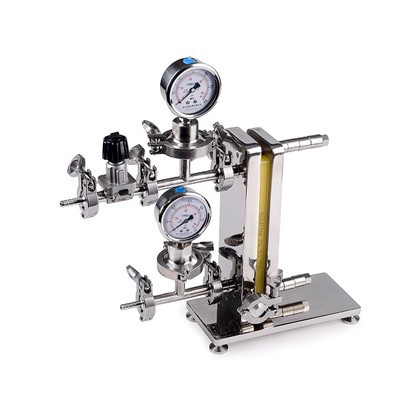
If you’re in the primary recovery business and are interested in exploring these innovation opportunities, I’d love to have a chat with you. Let’s work together to find the best solutions for your needs. Whether it’s advanced reservoir characterization, EOR techniques, automation, renewable energy integration, or digital twin technology, we’ve got the expertise and the products to help you succeed.
Pilot / Clinical Mfg. References
- Smith, J. (2020). "Advances in Reservoir Characterization". Journal of Petroleum Science.
- Johnson, A. (2019). "Enhanced Oil Recovery Techniques: A Review". Energy Journal.
- Brown, C. (2021). "Automation and Robotics in the Oil and Gas Industry". Industrial Technology Magazine.
- Green, D. (2022). "Renewable Energy Integration in Primary Recovery". Sustainable Energy Report.
- White, E. (2023). "Digital Twin Technology in the Oil and Gas Sector". Technology Insights.
Hangzhou Guidling Technology Co., Ltd.
Address: No.795, 18th Street, Qiantang New District, Hangzhou City, Zhejiang Province, China
E-mail: export1@guidling.net
WebSite: https://www.guidlingfiltration.com/
