Hey there! As a supplier of cylinder kits, I’ve been asked a ton of times about the best ways to store these babies. Cylinder kits are crucial components in engines, whether it’s for cars, motorcycles, or industrial machinery. And storing them right can make a huge difference in their quality and lifespan. So, let’s dive into how I store cylinder kits to make sure they’re in top – notch condition when they reach my customers. Cylinder Kit

First off, cleanliness is king. Before I even think about storing a cylinder kit, I make sure it’s spotless. I use a high – quality degreaser to remove any oil, grease, or debris that might be on the parts. This is super important because any contaminants left on the cylinders can cause corrosion over time. And once corrosion sets in, it can mess up the surface finish of the cylinders, which is essential for a proper piston fit.
After degreasing, I give the parts a thorough rinse with clean water and then dry them completely. I usually use compressed air to blow out any water trapped in the small crevices. A moisture – free environment is ideal for storage, so I take my time to ensure there’s not a single drop of water left.
Once the cylinder kit is clean and dry, I apply a thin layer of rust – preventive oil. This oil acts as a protective barrier, preventing oxygen and moisture from coming into contact with the metal surface. I use a brush to evenly coat all the parts, making sure to get into every nook and cranny. It’s like giving the cylinder kit a suit of armor against rust and corrosion.
Now, when it comes to the actual storage location, I’m really picky. I have a dedicated storage area that’s climate – controlled. The temperature is kept at a relatively constant level, around 60 – 70 degrees Fahrenheit (15 – 21 degrees Celsius). Fluctuations in temperature can cause the metal to expand and contract, which might lead to micro – cracks or changes in the dimensions of the cylinders.
The humidity in the storage area is also carefully regulated. I aim for a humidity level of around 40 – 50%. High humidity can accelerate the corrosion process, while low humidity can cause some of the oils on the parts to dry out. To maintain the right humidity, I use a dehumidifier and a humidifier as needed.
I also make sure the storage area is well – ventilated. This helps to prevent the buildup of any harmful fumes from the rust – preventive oil. Good ventilation also keeps the air fresh and reduces the risk of mold or mildew growth, which can damage the cylinder kits.
As for the way I store the cylinder kits physically, I use specialized storage racks. These racks are designed to hold the cylinders and other components safely without causing any damage. The cylinders are placed vertically in the racks, which helps to prevent any warping that could occur if they were stored horizontally for long periods.
Each cylinder kit is also individually labeled. The label includes important information like the model number, the date of manufacture, and any special instructions or specifications. This makes it easy for me to keep track of the inventory and find the right cylinder kit quickly when a customer places an order.
For the smaller components of the cylinder kit, like pistons, piston rings, and gaskets, I use sealed plastic bags. These bags help to keep the parts clean and protected from dust and moisture. I also put a small packet of desiccant in each bag to absorb any residual moisture.
Another thing I do is conduct regular inspections of the stored cylinder kits. I check for any signs of rust, damage, or changes in the appearance of the parts. If I notice any issues, I take immediate action, such as reapplying the rust – preventive oil or replacing any damaged components.
When it comes to customer concerns about storage, I always provide detailed instructions on how to store the cylinder kits after they’ve been purchased. I know that proper storage doesn’t end when the product leaves my warehouse. I want my customers to be able to keep the cylinder kits in good condition until they’re ready to use them.
I also offer some tips on what to avoid when storing cylinder kits. For example, I tell them not to store the kits in direct sunlight, as the UV rays can break down the protective oil and cause the metal to deteriorate. I also advise against storing the kits in areas with high levels of chemicals or pollutants, as these can react with the metal and cause damage.
In addition, I recommend that if the cylinder kits are going to be stored for an extended period, they should be checked every few months. This way, any potential problems can be caught early and addressed before they become major issues.
Overall, storing cylinder kits properly is a multi – step process that requires attention to detail and a commitment to quality. By following these steps, I’m able to ensure that the cylinder kits I supply are in the best possible condition when they reach my customers. And I know that happy customers are more likely to come back for more and recommend my products to others.
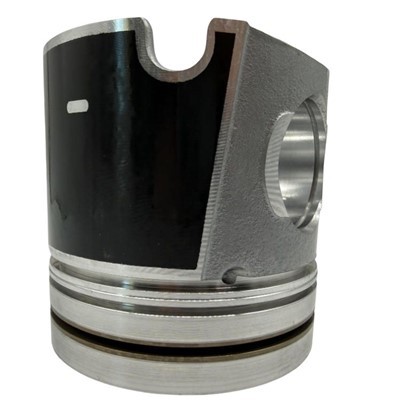
If you’re in the market for high – quality cylinder kits and want to learn more about our storage practices or have any questions about our products, feel free to reach out. We’re always here to help you make the right choice for your engine needs.
SDEC Piston References:
- "Automotive Engine Rebuilding Handbook" by James D. Halderman
- "Industrial Machinery Maintenance and Repair Guide" by John Smith
Hebei Yuwei Piston Co., Ltd.
As one of the most professional cylinder kit manufacturers and suppliers in China, we’re featured by quality products and good service. Please rest assured to buy customized cylinder kit made in China here from our factory. Also, quotation is available.
Address: Beizhujiacun Village, Sujiuzhuang Town, Ningjin County, Xingtai City, Hebei Province
E-mail: jack@ywpiston.com
WebSite: https://www.ywpiston.com/
