As a provider of Disposable Sterile Insulin Syringes, I’ve spent a significant amount of time understanding not only the product itself but also the best practices associated with its use. In this blog post, I’d like to delve into the various injection techniques for Disposable Sterile Insulin Syringes, which is crucial for effective insulin delivery and patient well – being. Disposable Sterile Insulin Syringe
Understanding the Basics of Insulin Injection
Before we get into the injection techniques, it’s essential to understand why insulin injection is necessary. For individuals with diabetes, the body either doesn’t produce enough insulin or can’t use it effectively. Insulin injections help regulate blood sugar levels, preventing the potentially dangerous consequences of high or low blood sugar.
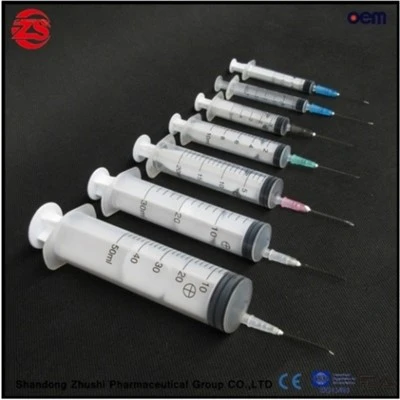
Our Disposable Sterile Insulin Syringes are designed with precision and safety in mind. They are made from high – quality materials that ensure sterility and accurate dosage measurement. Each syringe has clear markings to help patients draw up the exact amount of insulin required.
Pre – injection Preparation
- Wash Hands
- The first step in proper injection technique is to wash your hands thoroughly with soap and warm water. Drying with a clean towel is also important. This helps prevent the introduction of bacteria into the injection site.
- Inspect the Insulin and Syringe
- Check the insulin vial for any signs of discoloration, clumping, or expiration. Dispose of the vial if it appears abnormal. Examine the Disposable Sterile Insulin Syringe for any visible damage, such as a bent needle or broken plunger. Ensure the syringe is within its expiration date.
- Draw Air into the Syringe
- Pull the plunger back to draw an amount of air into the syringe equal to the dose of insulin you need. For example, if you need 10 units of insulin, draw 10 units of air into the syringe.
- Insert Air into the Insulin Vial
- Remove the cap from the insulin vial and insert the needle through the rubber stopper. Inject the air into the vial. This creates positive pressure, making it easier to draw out the insulin.
- Draw Insulin into the Syringe
- Invert the vial and syringe while keeping the needle tip in the insulin. Slowly pull back the plunger to draw the correct dose of insulin into the syringe. Check for air bubbles in the syringe. If there are air bubbles, tap the syringe gently to make the bubbles rise to the top, and then push the plunger slightly to expel the air.
Injection Sites
- Abdomen
- The abdomen is one of the most commonly used injection sites. It has a relatively large area with a good blood supply, allowing for fast and consistent insulin absorption. When injecting in the abdomen, avoid the area within 2 inches of the navel.
- Thighs
- The outer part of the thighs can also be used for insulin injection. However, insulin absorption from the thighs is generally slower than from the abdomen. Rotate injection sites within the thigh to prevent lipodystrophy (changes in the fat layer under the skin).
- Upper Arms
- The back of the upper arms is another option. Like the thighs, absorption from the upper arms is slower compared to the abdomen. Make sure to use the fatty part of the upper arm for injection.
- Buttocks
- The upper outer part of the buttocks can be used, especially for long – acting insulin. Absorption from the buttocks is the slowest among the common injection sites.
Injection Techniques
- Pinch – up Technique
- This technique is suitable for patients with a thin layer of subcutaneous fat. Pinch up a fold of skin at the injection site using your thumb and forefinger. Insert the needle at a 90 – degree angle into the pinched – up skin. This helps ensure that the insulin is injected into the subcutaneous tissue rather than the muscle. After injecting, hold the needle in place for a few seconds before removing it to ensure all the insulin is delivered.
- Non – pinch Technique
- For patients with a thicker layer of subcutaneous fat, the non – pinch technique can be used. Place the needle at a 90 – degree angle to the skin surface and insert it directly without pinching. This technique is simpler and more convenient when there is enough subcutaneous fat to cushion the injection.
- 45 – Degree Angle Injection
- In some cases, especially when using shorter needles or when the patient has very little subcutaneous fat, a 45 – degree angle injection may be appropriate. This reduces the risk of injecting into the muscle. Pinch up the skin slightly and insert the needle at a 45 – degree angle.
Post – injection Care
- Remove the Needle
- After injecting the insulin, gently remove the needle from the skin. Do not rub the injection site as this can cause rapid absorption or leakage of insulin.
- Dispose of the Syringe Properly
- Our Disposable Sterile Insulin Syringes are designed for single – use only. Immediately after use, place the syringe in a puncture – resistant sharps container. Never reuse a syringe, as this can lead to infection, inaccurate dosing, and dulling of the needle.
- Record the Injection
- It’s important to keep a record of the insulin dose, injection time, and injection site. This helps patients and healthcare providers monitor insulin usage and blood sugar control.
Common Mistakes to Avoid
- Incorrect Needle Insertion
- Inserting the needle at the wrong angle can result in the insulin being injected into the muscle instead of the subcutaneous tissue. This can lead to rapid insulin absorption and more significant fluctuations in blood sugar levels.
- Reusing Syringes
- As mentioned earlier, reusing syringes is extremely dangerous. It can cause infections, blunting of the needle, and inaccurate dosing.
- Not Rotating Injection Sites
- Failing to rotate injection sites can lead to lipodystrophy. This can affect insulin absorption and cause uneven blood sugar control.
Importance of Training
Proper injection technique is not only important for effective insulin delivery but also for patient safety. Healthcare providers should provide comprehensive training to patients on using Disposable Sterile Insulin Syringes. Training should include all aspects from pre – injection preparation to post – injection care.
End – user Benefits of Our Disposable Sterile Insulin Syringes
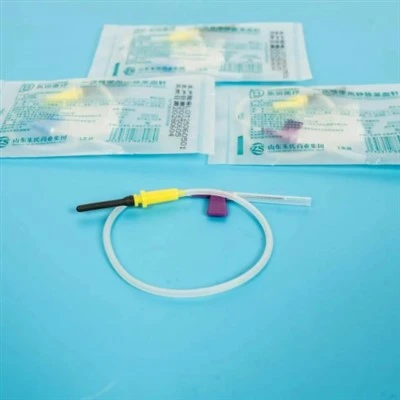
Our syringes offer several benefits that contribute to better injection techniques. The clear markings on the syringe barrel allow for accurate dosage measurement. The sharp and thin needles reduce pain during injection, making the process more tolerable for patients. The sterile packaging ensures that each syringe is free from contaminants, minimizing the risk of infection.
Invitation to Contact for Purchase and Collaboration
Disposable Sterile Insulin Syringe If you’re a healthcare provider, a distributor, or an institution in need of high – quality Disposable Sterile Insulin Syringes, I invite you to contact us for purchase and collaboration. We are committed to providing the best products and services to meet your needs. Our team of experts can also offer support and training on the proper use of our syringes to ensure the best possible outcomes for patients.
References
- American Diabetes Association. Standards of Medical Care in Diabetes. [Publication Name, Year of Publication].
- Insulin Pump Therapy: A Consensus Statement. Diabetes Technology and Therapeutics. [Volume, Page, Year].
- Campbell RK, Davis SN, Amiel SA, et al. Clinical Endocrinology (Oxf). Insulin Absorption: Determinants and Clinical Relevance. [Volume, Page, Year].
Shandong Zhushi Pharmaceutical Group Co., Ltd.
Shandong Zhushi Pharmaceutical Group Co., Ltd. is one of the most reliable disposable sterile insulin syringe manufacturers and suppliers in China, featured by quality products and good price. Welcome to wholesale CE approved disposable sterile insulin syringe made in China here from our factory. Contact us for customized service and pricelist.
Address: No 6th food and drug industry park economic and technological development zone, shan county 274300 Heze, Shandong PEOPLE’S REPUBLIC OF CHINA
E-mail: admin@cnzhushigroup.cn
WebSite: https://www.zhushimed.com/
