Hey there! I’m a supplier of duplex steel bars and rods, and I often get asked about the welding techniques for these materials. So, I thought I’d share some insights on this topic in today’s blog. Duplex Steel Bar or Rod

First off, let’s understand what duplex steel is. Duplex steel is a type of stainless steel that has a two – phase microstructure, consisting of ferrite and austenite. This unique structure gives duplex steel some amazing properties like high strength, good corrosion resistance, and excellent toughness. But these properties also mean that welding duplex steel bars or rods is a bit different from welding regular steels.
One of the most commonly used welding techniques for duplex steel is Gas Tungsten Arc Welding (GTAW), also known as TIG (Tungsten Inert Gas) welding. I really like this method because it gives a high – quality weld. In GTAW, you use a non – consumable tungsten electrode to create an arc. An inert gas, usually argon or a mixture of argon and other gases, shields the weld area from oxidation. This is super important for duplex steel because oxidation can mess up the delicate balance between the ferrite and austenite phases.
The great thing about GTAW is that it allows for precise control of the welding process. You can adjust the current, voltage, and travel speed easily to get the perfect weld. When welding duplex steel bars or rods with GTAW, it’s crucial to use a filler metal that matches the composition of the base metal. For duplex steel, a duplex – type filler is usually recommended. This helps to maintain the correct ratio of ferrite and austenite in the weld.
Another popular welding technique is Gas Metal Arc Welding (GMAW), or MIG (Metal Inert Gas) welding. With GMAW, a consumable wire electrode is fed into the weld pool. This makes the process faster than GTAW, which can be a big plus when you’re working on large projects. But you need to be careful with GMAW when it comes to duplex steel.
The main challenge with GMAW is that it can generate more heat compared to GTAW. Too much heat can lead to some issues in duplex steel. For example, excessive heat can cause an imbalance in the ferrite – austenite ratio, making the weld prone to cracking and reduced corrosion resistance. To avoid this, you should use the right shielding gas. A mixture of argon, carbon dioxide, and sometimes a small amount of oxygen can work well. Also, controlling the welding parameters like wire feed speed and voltage is key to keeping the heat input in check.
Shielded Metal Arc Welding (SMAW), or stick welding, is also an option for welding duplex steel bars or rods. SMAW is a portable and relatively simple method. It uses a coated electrode to create the arc and deposit the filler metal. The coating on the electrode provides a shielding gas and helps in slag formation.
However, SMAW has its limitations. It’s not as precise as GTAW, and the quality of the weld can vary depending on the skill of the welder. When using SMAW for duplex steel, make sure to choose the right electrode. A duplex – type electrode is necessary to ensure good weld quality and maintain the proper phase balance. Also, the welding speed and amperage need to be carefully controlled to avoid over – heating.
Flux – Cored Arc Welding (FCAW) is another technique that can be used for duplex steel. FCAW uses a tubular wire filled with flux. This method can be fast and productive, similar to GMAW. The flux in the wire provides the shielding gas and helps in slag formation.
But just like with other welding methods, you need to pay attention to the heat input when using FCAW on duplex steel. Excessive heat can cause problems with the phase balance. And choosing the right flux – cored wire is crucial. You want a wire that’s formulated for duplex steel to ensure a good weld.
Now, let’s talk about some pre – welding and post – welding considerations. Before you start welding duplex steel bars or rods, it’s important to clean the surfaces thoroughly. Any dirt, oil, or rust can affect the weld quality. You can use solvents or wire brushes to clean the surfaces.
Pre – heating is also something to think about. In some cases, pre – heating the duplex steel can reduce the risk of cracking. But the pre – heating temperature needs to be carefully controlled. Too much pre – heating can also cause issues with the phase balance.
After welding, you might need to do some post – weld heat treatment (PWHT). PWHT can help to relieve residual stresses in the weld and improve the overall properties of the joint. However, the specific PWHT requirements depend on the type of duplex steel and the welding method used.
In terms of quality control, it’s a good idea to do some non – destructive testing (NDT) on the welded joints. Methods like ultrasonic testing (UT), magnetic particle testing (MT), or liquid penetrant testing (PT) can help to detect any surface or subsurface defects in the weld.
So, there you have it! These are some of the main welding techniques for duplex steel bars and rods. Each method has its pros and cons, and the right choice depends on the specific project requirements, such as the size of the job, the available equipment, and the skill level of the welder.
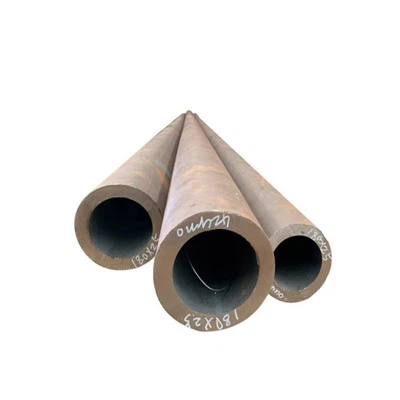
If you’re in the market for high – quality duplex steel bars or rods and want to learn more about welding them or have any other questions, I’d love to chat. Whether you’re a small – scale fabricator or a large – scale construction company, I can provide you with the right products and advice. Just reach out, and we can start a conversation about your needs.
Copper References:
- "Duplex Stainless Steels: Welding, Fabrication and Applications" by various industry experts
- Welding Handbook, American Welding Society
Jiangsu Cunrui Metal Products Co., Ltd.
As one of the most experienced duplex steel bar or rod manufacturers in China, we also support customized service. Please rest assured to buy cheap duplex steel bar or rod for sale here from our factory. If you have any enquiry about pricelist and free sample, please feel free to email us.
Address: 32-117,119, Nanfang Stalnless Steel Trading Conter, Wuxi,Jiangsu, China
E-mail: karen@cunruimetal.com
WebSite: https://www.cunruimetals.com/
