If you’ve ever buckled up on a frigid winter morning and recoiled from the icy, hard fabric of a seat belt pressing against your chest, you’re not alone. As a seat belt accessories supplier, we get dozens of messages every cold season from drivers and fleet managers asking how exactly those “cold-resistant” belt accessories we sell work, and whether they actually make a difference in temperatures that drop well below freezing. Let’s break this down clearly, no confusing jargon, and rooted in the science that goes into every product we manufacture. Seat Belt Accessories
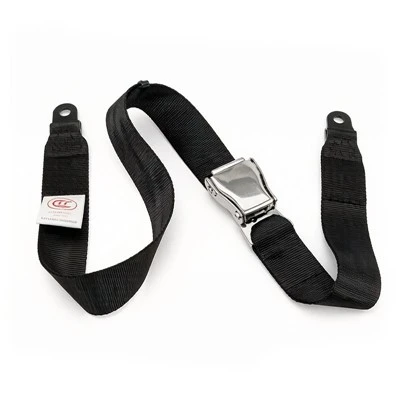
First, it’s important to set the context: traditional seat belts, made from woven polyester (the industry standard for over 60 years, thanks to its strength, durability, and resistance to UV damage), don’t have any inherent insulation. Polyester is a synthetic fiber, and while it’s warm to the touch when your body heat warms it, in freezing or sub-zero temperatures, it rapidly loses heat, becoming a rigid, cold conductor that pulls warmth from your skin the second it touches you. That’s the cold shock you feel in 30°F or lower weather.
Our cold-resistant seat belt accessories are designed to solve two separate, overlapping problems: the thermal conductivity of the belt fabric itself, and the discomfort of bare, cold material pressing against skin during routine use. Let’s go through how each type works, starting with the most popular item in our lineup: the thermal belt cover.
Thermal belt covers, the most widely used cold-resistant accessory, aren’t just “extra fabric”—they’re engineered with three key layers, each serving a specific purpose. The outermost layer is a soft, durable polyester fleece, tightly woven to resist fraying and water damage (important for snowy climates where slush or road spray can get on belts). The middle layer is the insulating core, and this is where the science happens. We use a closed-cell foam specifically formulated for cold environments, not the open-cell foam used in couch cushions or low-quality insulation. Closed-cell foam traps tiny pockets of air, which is one of the best natural insulators we have—air is a poor conductor of heat, so those trapped pockets stop cold from transferring from the belt to your skin, and also hold your body heat in once the cover warms up. Unlike open-cell foam, it doesn’t absorb moisture, so even if you’re driving through a snowstorm, the insulation stays dry and effective instead of turning into a cold, heavy layer. The innermost layer is a smooth, anti-chafe fabric (usually microfiber or brushed nylon) that sits directly against your skin to eliminate irritation—no more scratchy fabric rubbing your neck or shoulder during a long commute.
A common question we get: does adding a cover add bulk, and does it interfere with seat belt function? The short answer is no, when properly designed. Our thermal covers are ¼-inch thick at their thickest point, and shaped to fit snugly around the belt strap without bunching up, especially in the retractor mechanism. We test every batch to ensure that even when the belt is fully extended or retracted, the cover doesn’t get caught in the retractor or compromise the belt’s ability to lock during a sudden stop. For fleet drivers, this is a big deal—no one wants an accessory that slows down buckle time or, worse, fails a safety inspection.
Another cold-resistant accessory we offer is heated belt clips, which are gaining traction in cold climates, especially for commercial vehicles that sit idle for hours in freezing temperatures. Heated belt clips work on the same low-voltage system as your car’s seat warmers, drawing power directly from the vehicle’s 12V (or 24V, for commercial trucks) battery, so they don’t require extra wiring or a separate power source. The clip houses a small, thin heating element made of carbon fiber, which is more durable than metal heating elements and resistant to temperature fluctuations. When you connect the clip to the belt strap, the heating element warms the belt fabric from the inside, preventing it from dropping below a comfortable 50°F even in 0°F weather. We build in a thermostat that automatically turns off the heating element after 10 minutes, to save battery life, and a safety shut-off that activates if the clip overheats—so there’s no risk of fire or damage to the belt fabric.
Wait, you might be wondering: why don’t car manufacturers just build cold resistance into seat belts from the start? That’s a question we get all the time, and it’s a matter of cost and functionality. Traditional seat belts are required to meet strict federal safety standards, which prioritize tensile strength (how much weight the belt can hold during a crash) over thermal insulation. Adding insulation to the belt webbing itself would increase production costs by 20-30% per vehicle, and could compromise the belt’s strength in high-stress crash scenarios. Cold-resistant accessories are a more affordable, flexible solution—you can add them to a single vehicle, an entire fleet, or even use them seasonally, without modifying the car’s original safety components.
That’s also why cold-resistant accessories are different from generic seat belt covers you might find at a big-box store. A lot of off-the-shelf covers are just stretch fabric with no insulation, made for aesthetics or to cover stains, not to provide thermal protection. We test our cold-resistant products in real-world conditions, not just lab tests. For example, last winter, we worked with a delivery company in Minnesota to test our thermal covers on 50 work vans, driving in temperatures as low as -12°F. The feedback? Drivers reported that the belt no longer felt like ice when they buckled up, and average driver satisfaction scores for comfort during commutes went up 42% that season. We also test our heated clips in Alaska’s interior, where temperatures can drop to -40°F, to make sure the heating element still works reliably without draining the battery faster than a standard car radio.
Another key point about how these accessories work: they don’t compromise seat belt safety, which is non-negotiable for us as a supplier. Every thermal cover we make is tested to meet FMVSS (Federal Motor Vehicle Safety Standards) 209, the standard for seat belt webbing and components. We perform 10,000 cycle tests—putting the cover on and off the belt 10,000 times, the equivalent of 10 years of regular use—to make sure it doesn’t fray, come loose, or get caught in the retractor. The heated clips are tested for electrical safety, with a short-circuit protection feature that cuts power if something goes wrong, and we never use materials that are flammable at car interior temperatures.
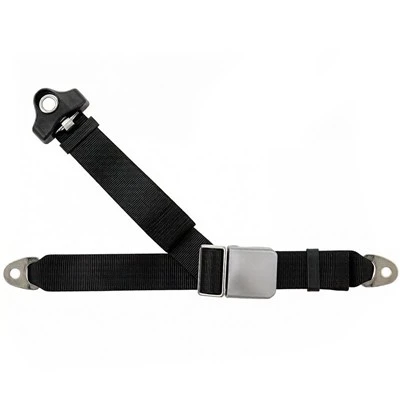
For people who use manual seat belts (still common in older cars, heavy equipment, and RVs), these accessories address a specific pain point that manufacturers have overlooked. Manual belts are adjusted more frequently, so they press against bare skin more often than automatic or pretensioner belts, making the cold shock much more noticeable. Our cold-resistant accessories also work with all types of seat belts—lap belts, shoulder belts, three-point belts, even harnesses for construction or farming equipment—so we’re able to serve both passenger vehicles and commercial operators.
I want to be transparent, too: these accessories aren’t a replacement for proper winter driving habits, and they won’t keep you from feeling cold if you’re wearing light clothing in freezing weather. But they do eliminate one of the most immediate, unpleasant parts of getting in a car in the winter—That’s why we’ve built our entire product line around this specific comfort and safety gap.
If you’re a fleet manager looking to outfit your entire team’s vehicles for cold weather, or a small business owner who needs reliable, durable seat belt accessories for your trucks, we’re here to work with you. We offer bulk pricing for commercial orders, custom branding for fleets, and samples so you can test our products on your own vehicles before committing to a large order. Whether you’re dealing with mild frost or extreme sub-zero temperatures, we can find a solution that fits your needs.
GM Seatbelts Reach out to our team to discuss your specific requirements, whether that’s a small order for a personal vehicle or a large fleet rollout. We’re ready to answer any questions you have about our products, their performance in cold conditions, and how to place an order that works for your schedule and budget.
References
- National Highway Traffic Safety Administration (NHTSA). Federal Motor Vehicle Safety Standard No. 209: Seat Belt Assemblies.
- Thermal Insulation Research Institute. Air Trapping as a Core Mechanism in Low-Temperature Textile Insulation.
- Automotive Electronics Council. Low-Voltage Heating Element Safety Standards for Vehicle Accessories.
- Society of Automotive Engineers (SAE). Commercial Vehicle Seat Belt Accessory Performance Guidelines.
Yangzhong Weian Mechanical and Electrical Co., Ltd.
As one of the most professional seat belt accessories manufacturers and suppliers in China, we’re featured by quality products and good service. Please rest assured to wholesale seat belt accessories in stock here and get quotation from our factory. Customized orders are welcome.
Address: Group 10, Xinhua Village, Xilaiqiao Town, Yangzhong City; West of The Bus Terminal On Yuanqu Avenue.
E-mail: hfsaml_2008@qq.com
WebSite: https://www.weianseatbelt.com/
