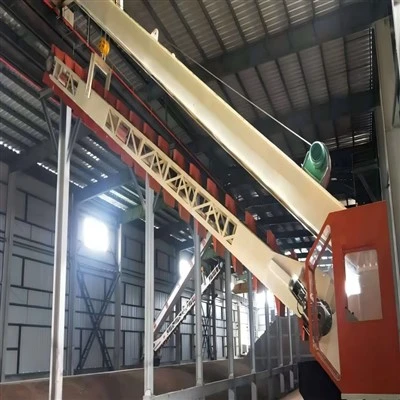
The cost of a circular tunnel kiln is a multifaceted topic that involves various factors, from the initial investment to long – term operational expenses. As a supplier of circular tunnel kilns, I’ve had the privilege of working closely with clients across different industries, understanding their needs, and helping them navigate through the cost – related aspects. In this blog, I’ll break down the different components that contribute to the cost of a circular tunnel kiln and provide insights to help you make an informed decision. Circular Tunnel Kiln
Initial Investment
Design and Engineering
The first step in the process of getting a circular tunnel kiln is the design and engineering phase. This is not just about creating a blueprint; it’s about tailoring the kiln to your specific production requirements. Factors such as the type of products you’ll be firing (e.g., ceramics, bricks, or refractory materials), the production volume, and the firing temperature all play a crucial role in the design.
A custom – designed circular tunnel kiln requires in – depth engineering knowledge and expertise. Engineers need to consider the heat transfer mechanisms, the airflow patterns, and the structural integrity of the kiln. The cost of design and engineering can vary significantly depending on the complexity of the project. For a relatively simple kiln design, the cost might range from a few thousand dollars. However, for a large – scale, high – tech circular tunnel kiln with advanced features, the design and engineering cost could go up to tens of thousands of dollars.
Materials and Manufacturing
The choice of materials for the construction of a circular tunnel kiln is another major cost factor. The kiln body needs to be made of high – quality refractory materials that can withstand high temperatures and thermal shocks. The type of refractory bricks, insulation materials, and steel structures all impact the cost.
High – grade refractory bricks are more expensive but offer better heat resistance and durability. Insulation materials are also essential to reduce heat loss and improve energy efficiency. The steel structure provides the framework for the kiln and needs to be strong enough to support the weight of the kiln and the products inside. The manufacturing process itself also incurs costs, including labor, equipment, and overheads. On average, the materials and manufacturing cost of a medium – sized circular tunnel kiln can range from $50,000 to $200,000.
Installation and Commissioning
Once the circular tunnel kiln is manufactured, it needs to be installed at your production site. Installation involves transporting the kiln components to the site, assembling them, and connecting them to the necessary utilities such as gas, electricity, and water. This process requires a team of experienced technicians who are familiar with the installation procedures of circular tunnel kilns.
Commissioning is the final step before the kiln can be put into full operation. It involves testing the kiln to ensure that it meets all the design specifications and performance standards. The installation and commissioning cost can account for a significant portion of the initial investment, typically ranging from 10% to 20% of the total cost of the kiln.
Operational Costs
Energy Consumption
Energy is one of the most significant ongoing costs associated with operating a circular tunnel kiln. The type of fuel used, such as natural gas, electricity, or biomass, can have a major impact on energy costs. The energy efficiency of the kiln is also a crucial factor. A well – designed and properly maintained circular tunnel kiln can significantly reduce energy consumption.
For example, using advanced insulation materials and optimizing the airflow patterns can help to retain heat within the kiln, reducing the need for excessive heating. Additionally, some modern circular tunnel kilns are equipped with energy – recovery systems that capture and reuse waste heat, further reducing energy costs. The energy consumption cost can vary depending on local energy prices and production volume, but it can be a substantial part of the overall operational cost.
Maintenance and Repairs
Regular maintenance is essential to ensure the long – term performance and reliability of the circular tunnel kiln. Maintenance tasks include inspecting the refractory lining, cleaning the burner nozzles, and checking the electrical and mechanical components. Over time, some parts of the kiln may need to be replaced due to wear and tear.
The cost of maintenance and repairs depends on the quality of the kiln, the production environment, and the frequency of use. A preventive maintenance program can help to reduce the likelihood of major breakdowns and costly repairs. On average, the annual maintenance and repair cost for a circular tunnel kiln can range from 5% to 10% of the initial investment.
Labor Costs
Operating a circular tunnel kiln requires skilled labor. Workers are needed to load and unload the products, monitor the kiln operation, and perform maintenance tasks. The labor cost can vary depending on the local labor market and the level of automation in the kiln.
In some cases, highly automated circular tunnel kilns can reduce the need for manual labor, but they also require trained technicians to operate and maintain the automation systems. The labor cost can be a significant factor in the overall operational cost, especially in regions with high labor costs.
Hidden Costs
Environmental Compliance
In today’s regulatory environment, environmental compliance is a major concern for industries using circular tunnel kilns. The kiln may produce emissions such as particulate matter, sulfur oxides, and nitrogen oxides, which need to be controlled to meet environmental standards.
Installing pollution control equipment, such as dust collectors and scrubbers, can add to the initial investment and ongoing operational costs. Additionally, there may be costs associated with obtaining environmental permits and conducting regular emissions monitoring.
Downtime Costs
Downtime can occur due to various reasons, such as equipment breakdowns, maintenance, or power outages. During downtime, production stops, which can result in lost revenue. The cost of downtime includes not only the lost production but also the cost of restarting the kiln and any potential damage to the products in the kiln.
Cost – Benefit Analysis
When considering the cost of a circular tunnel kiln, it’s important to conduct a cost – benefit analysis. While the initial investment and operational costs may seem high, a well – chosen circular tunnel kiln can offer significant benefits in the long run.
A high – quality circular tunnel kiln can improve product quality, increase production efficiency, and reduce energy consumption. These benefits can translate into higher profits and a competitive edge in the market. Additionally, the long – term durability of the kiln means that you won’t have to replace it frequently, reducing the overall life – cycle cost.
Conclusion
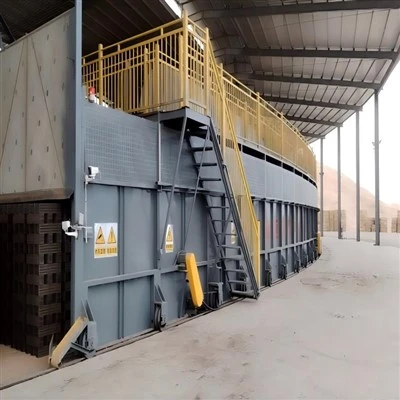
The cost of a circular tunnel kiln is influenced by a wide range of factors, from the initial design and manufacturing to long – term operational expenses. As a supplier, I understand that every client has unique requirements and budget constraints. That’s why we offer a variety of circular tunnel kiln solutions, tailored to different production volumes and industries.
High Temperature Tunnel Kiln If you’re considering investing in a circular tunnel kiln, I encourage you to reach out to us for a detailed consultation. We can help you understand the cost breakdown, conduct a cost – benefit analysis for your specific situation, and provide you with a customized solution that meets your needs. Don’t hesitate to get in touch with us to start a discussion about your circular tunnel kiln procurement.
References
- "Ceramic Kiln Technology: Principles and Practice" by Helmut Richter
- "Industrial Kilns and Furnaces: Design and Operation" by G. S. Upadhyay
Henan Yaxin Kiln Co., Ltd.
Henan Yaxin Kiln Co., Ltd. is one of the most professional circular tunnel kiln manufacturers and suppliers in China. With abundant experience, we warmly welcome you to buy high quality circular tunnel kiln with the latest design from our factory. Good service and punctual delivery are available.
Address: Jixian Industrial Zone, Shangqiu City, Henan Province
E-mail: 1543563178@qq.com
WebSite: https://www.hnyxkiln.com/
