Is Oxford Fabric Fire – Resistant? Oxford Fabric
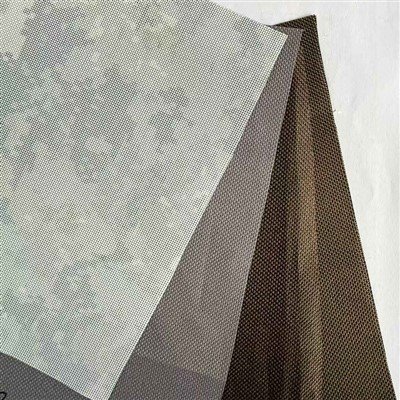
As a supplier of Oxford fabric, I’ve been asked numerous times about the fire – resistant properties of this versatile material. Oxford fabric is well – known for its wide range of applications, from outdoor gear to fashion items, and understanding its fire – resistance is crucial for both safety and compliance in various industries.
Understanding Oxford Fabric
Oxford fabric is a type of woven textile. It is typically made from cotton, polyester, or a blend of the two. The fabric gets its name from the way it is woven, with a basketweave pattern that gives it a distinctive look and feel. It is known for its durability, softness, and relatively high strength – to – weight ratio.
The manufacturing process of Oxford fabric involves interlacing the warp and weft threads in a specific pattern. This pattern not only contributes to the fabric’s aesthetic appeal but also affects its physical properties. For example, the tightness of the weave can influence the fabric’s resistance to abrasion, water, and in our case, fire.
Fire – Resistance Basics
Fire – resistance in fabrics is determined by several factors. One of the primary factors is the chemical composition of the fibers. Some fibers, such as wool, have natural fire – resistant properties. Wool contains nitrogen and water, which act as natural flame retardants. When exposed to fire, wool chars rather than melts and self – extinguishes when the flame source is removed.
On the other hand, synthetic fibers like polyester can be more flammable. Polyester has a relatively low melting point, and when it catches fire, it can melt and drip, spreading the fire further. Cotton is also flammable, burning with a yellow flame and leaving behind an ash residue.
Natural Fire – Resistance of Oxford Fabric
In its natural state, Oxford fabric made from pure cotton or polyester is not fire – resistant. Cotton burns readily, similar to other cellulosic fibers. It has a high oxygen index, which means it requires a relatively low concentration of oxygen to sustain combustion. Polyester – based Oxford fabric, as mentioned, is also flammable and can be dangerous when exposed to an open flame.
However, the blend of cotton and polyester in some Oxford fabrics can have a complex effect on fire behavior. The combination of the two fibers may result in a fabric that burns differently compared to either fiber alone. For example, the presence of cotton can increase the initial flammability, while the polyester may contribute to melting and dripping once the fire has started.
Treating Oxford Fabric for Fire – Resistance
To make Oxford fabric fire – resistant, it can be treated with special flame – retardant chemicals. These treatments work in several ways. Some chemicals react with the fibers when exposed to heat, forming a protective char layer that insulates the fabric from the fire. Others release non – flammable gases that dilute the oxygen around the fabric, making it harder for the fire to spread.
There are different types of flame – retardant treatments available. For cotton – based Oxford fabric, phosphorus – based flame retardants are commonly used. These chemicals work by promoting the formation of a char layer on the fabric surface. For polyester – containing Oxford fabric, brominated or chlorinated flame retardants were used in the past, but due to environmental and health concerns, alternative non – halogenated flame retardants are now more popular.
Testing the Fire – Resistance of Oxford Fabric
To determine whether a particular Oxford fabric is fire – resistant, it needs to undergo specific tests. One of the most common tests is the vertical flammability test. In this test, a fabric specimen is held vertically and exposed to a flame for a specified period. The after – flame time (the time the fabric continues to burn after the flame source is removed), after – glow time (the time the fabric continues to glow after the flame has extinguished), and the length of the damaged area are measured.
Another important test is the oxygen index test. This test measures the minimum concentration of oxygen in a nitrogen – oxygen mixture that will support combustion of the fabric. A higher oxygen index indicates better fire – resistance.
Applications and Regulations
The fire – resistance of Oxford fabric is of great importance in many applications. For example, in the automotive industry, seat covers made of Oxford fabric need to meet certain fire – safety standards to protect passengers. In the hospitality industry, curtains and upholstery made from Oxford fabric must also comply with fire – safety regulations.
Different countries and regions have their own fire – safety regulations for fabrics. In the United States, the Consumer Product Safety Commission (CPSC) has established standards for flammability of various textile products. In Europe, the EN 13501 series of standards govern the fire – classification of construction products, including fabrics used in building interiors.
Meeting Market Needs
As a supplier of Oxford fabric, I understand the importance of meeting the diverse needs of my customers when it comes to fire – resistance. For some customers, a simple untreated Oxford fabric may be sufficient for their non – fire – critical applications, such as making casual bags or outdoor tents in areas with low fire risks. However, for customers in industries with strict fire – safety requirements, we offer treated fire – resistant Oxford fabric.
We work closely with fabric treatment providers to ensure that our fire – resistant Oxford fabric meets or exceeds the relevant industry standards. Our quality control team conducts regular tests on the treated fabric to verify its fire – resistance properties.
Advantages of Fire – Resistant Oxford Fabric
There are several advantages to using fire – resistant Oxford fabric. Firstly, it enhances safety. In applications where there is a risk of fire, such as in public spaces or vehicles, fire – resistant fabric can significantly reduce the spread of fire and give people more time to evacuate.
Secondly, it can provide peace of mind for manufacturers and end – users. Knowing that the fabric they are using meets strict fire – safety standards allows them to comply with regulations and avoid potential legal issues.

Finally, fire – resistant Oxford fabric can have a longer lifespan in fire – prone environments. Since it is less likely to be damaged by fire, it can maintain its structural integrity and appearance for a longer period.
Contact for Purchasing
300D Oxford Fabric If you are interested in our Oxford fabric, whether it’s the regular type or the fire – resistant version, I welcome you to reach out and start a discussion. We can offer you a wide range of options in terms of fabric composition, color, and treatment levels. Our team is ready to assist you in finding the perfect Oxford fabric for your specific needs. Whether you are a small – scale manufacturer or a large – scale enterprise, we are committed to providing high – quality products and excellent customer service.
References
- American Society for Testing and Materials (ASTM). Standard Test Methods for Flame Resistance of Textiles.
- British Standards Institution (BSI). Fire – safety standards for textiles.
- Consumer Product Safety Commission (CPSC). Flammability standards for textile products in the United States.
Dongyang Huangxiu Leather & Plastic Co., Ltd.
With abundant experience, we are one of the most professional oxford fabric manufacturers in China. We warmly welcome you to wholesale customized oxford fabric made in China here from our factory. If you have any enquiry about quotation and free sample, please feel free to email us.
Address: Huangxiu Leather & Plastic Products, No. 79 Shunda Road, Huashui Town, Dongyang City, Zhejiang Province
E-mail: x372921764@163.com
WebSite: https://www.huangxiutextile.com/
