Let’s cut to the chase: if you’re here, you’re likely dealing with PVC suction pipes for agriculture, industrial dewatering, pool systems, or maybe even those tough-duty construction applications where you can’t afford lost efficiency, frozen lines, or premature pipe failure. As someone who’s spent the last 12 years supplying PVC suction pipes to farmers, plant managers, and HVAC techs across the Midwest, I’ve seen first-hand what happens when someone skips insulation on these pipes. Last winter, we had a dairy farmer client lose two whole weeks of milking operations because his uninsulated PVC suction line to his well froze solid – he wasn’t just out the cost of replacement pipes, he was bleeding thousands in lost milk revenue. Another client, a food processing plant, had condensation buildup on uninsulated suction lines that led to mold growth under floor-mounted pipes, forcing a OSHA audit fine and full line rework. PVC Suction Pipe
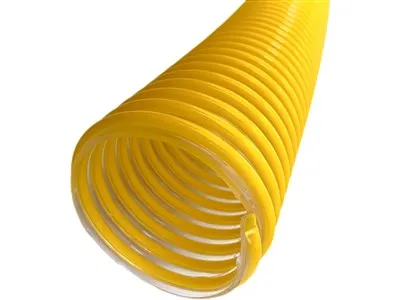
PVC is an incredible material for suction pipes – lightweight, corrosion-resistant, flexible enough for tight digs, and way more affordable than metal alternatives. But it has a major flaw that’s easy to overlook: its thermal conductivity is higher than, say, rubber suction hoses, and it doesn’t insulate as well as closed-cell foam or fiberglass. That means in cold weather, it loses heat fast (leading to freezing, cracked joints, or reduced flow), and in warm, humid weather, it sweats like a jogger in July – that condensation doesn’t just make a mess, it eats away at pipe supports, promotes microbial growth, and even corrodes adjacent metal equipment. Insulating your PVC suction pipe isn’t just a “nice-to-have” – it’s a protective measure that saves you money, downtime, and headaches long-term.
Before we dive into the how-to, let’s get one thing straight: not all insulation works for PVC suction pipes. I’ve had clients bring me old fiberglass rolls they picked up at the hardware store, thinking they’d cut costs – and nine times out of 10, those fail within a year. Fiberglass is abrasive to PVC, especially if you’re using it on suction pipes that flex with pressure changes, and it doesn’t block moisture the way you need it to for suction applications. So first, let’s narrow down the right materials, based on the type of suction line you have:
If you have rigid PVC suction pipes (the kind used for well water, municipal dewatering, or permanent underground installations), the best options are closed-cell polyethylene foam insulation or ArmaFlex closed-cell elastomeric insulation. These are flexible, won’t abrade PVC, and have a moisture vapor transmission rate (MVTR) low enough to stop condensation – critical for above-ground rigid pipes in humid spaces. For flexible PVC suction hoses (common in construction, portable pool vacuums, or temporary agricultural irrigation), go for a self-sealing closed-cell foam wrap or a specialized PVC suction pipe insulation sleeve that’s designed to stretch with hose flex – avoid rigid foam boards here, they’ll crack when the hose bends.
Now, let’s talk tools: you’ll need a utility knife or sharp pair of scissors (no dull blades – clean cuts mean a tight seal), a specialized pipe insulation adhesive (again, not regular construction glue – get one rated for PVC and closed-cell foam), silicone caulk (non-acidic, acidic will eat through PVC), a tape measure, and, for underground pipes that need extra protection, a layer of UV-resistant polyethylene wrap.
Okay, let’s get to the step-by-step process – and yes, I’ve walked clients through this in person, so I know the little tricks that make it work, not just the generic ones you’ll find on a DIY forum.
First, prep the pipe. This is make-or-break, and most people skip it. You can’t just slap insulation on a dirty, damp pipe. For new installations: if you’re insulating before burying or covering, wait until all joints are fully cured (PVC primer and cement needs 24 hours to set completely – rushing this leads to leaks later, and even under insulation, a leak can cause corrosion). For existing pipes: turn off the system, drain all water from the line, and wipe every inch of the pipe with a lint-free rag and isopropyl alcohol to remove dirt, oil, or mold. If you’re insulating an above-ground pipe that’s already sweating, let it dry fully – moisture under insulation is a recipe for rot or mold growth.
Next, measure and cut your insulation. This is where most people mess up: you want the insulation to fit snugly, not stretch or gap. For rigid PVC pipes, measure the outer diameter of the pipe (don’t go by nominal size – 2-inch rigid PVC is actually around 2.375 inches OD, and insulation sleeves are sized to match that). Cut your sleeve to length with a sharp knife, making a straight cut along the longitudinal seam of the sleeve. For flexible suction hoses, the process is almost the same, but you’ll want to leave an extra 1 inch of length on each cut end to account for stretching when the hose is pressurized.
Now, install the insulation. For pre-formed closed-cell sleeves: peel back the liner on the adhesive along the seam (most high-quality sleeves come with a pressure-sensitive adhesive strip built in, which I recommend over separate glue for a faster, tighter seal) and press the seam shut, working from one end to the other to squeeze out any air bubbles. Air bubbles under insulation are like little cold spots waiting to freeze a line or cause condensation – take your time here. For wrap-style insulation (great for flexible hoses or odd-sized pipes), start at one end of the pipe, overlapping each wrap by half the width of the foam, stretching slightly as you go to keep it tight. Once you get to the other end, press the final layer firmly into place.
Now, seal the joints and ends. This is the second most important step (after cleaning the pipe). Any gap between insulation pieces, or between the insulation and a pipe fitting, is a failure point. First, for all seams on the insulation, run a thin bead of non-acidic silicone caulk along the seam, smoothing it with your finger to make sure it’s fully sealed – don’t use too much, or it’ll squeeze out and leave a mess that attracts dust. Next, around pipe fittings (elbows, tees, couplings), cut small pieces of insulation to fit the contours, seal them with adhesive, then cover the entire fitting with a strip of insulation tape or additional caulk. For the open ends of insulation (where the pipe starts or ends, like at a well head or a pump connection), seal those ends completely with silicone caulk to block any moisture from getting in. If you’re insulating an above-ground pipe in direct sunlight, add a layer of UV-resistant polyethylene wrap over the insulation – PVC can handle sunlight, but foam insulation breaks down fast under UV, so this adds 3-5 years of life to your insulation, easy.
Wait, what about underground PVC suction pipes? I get this question all the time, because a lot of clients think underground pipes don’t need insulation – wrong. Even buried pipes are subject to ground frost, especially in northern climates where frost lines go down 4 feet or more. For underground rigid PVC suction pipes, I recommend two layers: first, a closed-cell foam sleeve, then a layer of durable PVC wrap or geotextile fabric to protect the insulation from rocks and soil. This adds a buffer against frost, and if you ever need to dig up the line, the insulation will still be intact.
Now, let’s talk common mistakes I see clients make, that turn a simple insulation job into a waste of time and money. First, using the wrong insulation material for PVC – like I said earlier, fiberglass is abrasive, acidic, and absorbs moisture, so it’s not worth the $5 a roll you save. Second, not cutting the insulation to fit tightly – gaps as small as 1/8 inch can let in enough cold air to freeze a line over a 12-hour cold snap, or enough humid air to cause condensation. Third, skipping the end seals – I once had a client who sealed all the seams on his above-ground suction line, but left the end at the pump open; within a month, rainwater seeped in, froze, and cracked the insulation, leading to mold and a bad smell in the water line. Fourth, waiting until cold weather hits to insulate – insulation works best when it’s installed before the temperature drops, not after your line is already half-frozen.
How do you know if your insulation is working? Do a quick check on cold days: run your suction line for 15 minutes, then touch the outside of the insulation. If it’s warm (the same temperature as the surrounding air), it’s working. If it’s cold, you have a gap or a bad seal – go back and check the seams. For above-ground lines in humid weather, check for condensation on the outside of the insulation after 24 hours – if there’s any, your seal is bad, and you need to re-caulk the seams.
At the end of the day, insulating your PVC suction pipe is a small investment that pays for itself in no time. We’ve had clients who insulated their lines for $0.75 per linear foot (for closed-cell foam sleeves) see a return in 6-12 months, thanks to reduced maintenance, no frozen lines, no mold-related fines, and consistent flow rates. For reference, a 100-foot line of 4-inch PVC suction pipe costs about $75 to insulate – and the last client of ours who skipped insulation on a similar line paid $1,200 in repairs and lost revenue when it froze last winter.
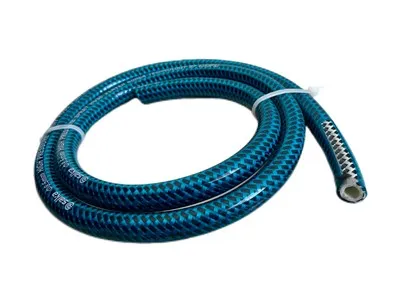
If you’re not sure what kind of insulation is right for your specific PVC suction pipe, or you need help sourcing high-quality, insulation-compatible PVC pipes to go with it, don’t guess. We’ve been supplying PVC suction pipes to businesses and farms for over a decade, and we work with insulation experts to recommend the right materials for every application, from temporary construction hoses to permanent well lines. We can also walk you through the installation process, whether you want to do it yourself or hire a local contractor. For custom-sized insulation sleeves or bulk PVC suction pipe orders, we offer flexible pricing to fit every budget. Reach out to us to chat through your project, no pressure – we’re here to help you avoid the mistakes we’ve all seen, and keep your suction lines running year-round without issues.
PVC Suction Pipe References
ASTM International. (2020). Standard Specification for Rigid Polyvinyl Chloride (PVC) Pipe for Suction and Pressure Applications. ASTM D1785-20.
National Association of Home Builders (NAHB). (2019). Insulation Guidelines for Residential Plumbing Systems. NAHB Research Center.
International Plumbing Code (IPC). (2021). Section 608: Insulation of Pipes and Hot Water Tanks. International Code Council.
Closed Cell Foam Insulation Manufacturers Association (CCFIMA). (2022). Best Practices for Insulating PVC Pipe in Moist or Outdoor Environments. CCFIMA Technical Bulletin 007.
Weifang Xinzhiyuan Plastic Co., Ltd.
As one of the most experienced pvc suction pipe manufacturers and suppliers in China, we offer a wide range of products with superior quality. Please feel free to wholesale premium pvc suction pipe made in China here from our factory. We also accept customized orders.
Address: No. 700, Tongle Street, Economic Development Zone, Changle County, Weifang City, Shandong Province
E-mail: hua@xzypvchose.com
WebSite: https://www.pvchose-xzy.com/
