If you’ve ever driven down a rural road after a heavy rain and noticed a field flooded with standing water that lingers for days, you’ve probably seen the problem corrugated steel culverts solve. As someone who’s spent 12 years as a corrugated steel culvert supplier, I’ve talked to hundreds of farmers, agronomists, and landowners who’ve grown frustrated with outdated drainage solutions that fail when they need them most. What I’ve learned from those conversations is that choosing the right drainage infrastructure isn’t just about convenience—it’s about protecting crop yields, reducing labor costs, and supporting long-term soil health. Today, I want to break down the real, science-backed benefits of using corrugated steel culverts in agricultural areas, and why they’re far more reliable than the alternatives most farmers have relied on for decades. Corrugated Steel Culvert

Let’s start with the biggest pain point I hear from farmers: water management. Agricultural land is incredibly sensitive to excess water, whether that’s from seasonal rains, snowmelt, or runoff from adjacent fields, roads, or pastures. Standing water in farm fields doesn’t just block planting equipment; it disrupts soil aeration, promotes root rot, and creates breeding grounds for pests like mosquitoes and root-feeding nematodes. Traditional drainage options—like clay tile, concrete pipes, or even plastic corrugated pipes—all have their flaws, but corrugated steel stands out for consistent, long-lasting performance here. The corrugated design, with its curved, ridged surface, creates a smooth, continuous flow path for water, even during peak runoff events. Unlike smooth-walled pipes, where sediment can build up along the bottom and slow flow, the corrugations act like tiny channels that guide water along without trapping debris. Studies from the USDA Natural Resources Conservation Service (NRCS) show that properly sized corrugated steel culverts can maintain 95% of their flow capacity for 50+ years, compared to just 20–30 years for concrete pipes, which often crack or sag under uneven soil pressure. That steady flow prevents the pooling that ruins crops—especially row crops like corn, soybeans, and wheat, where even a week of saturated soil at planting time can reduce yields by 15–25% per acre. For a 100-acre corn farm, that’s thousands of dollars in lost revenue that corrugated steel culverts can help avoid.
Next, let’s talk about durability and resilience—two qualities non-negotiable for agricultural settings, where infrastructure is exposed to everything from heavy farm equipment to extreme weather. Corrugated steel is built to handle the rough conditions of farm life, and that starts with its material strength. Unlike plastic pipes, which can crack when run over by tractors, combines, or pickup trucks, or concrete, which breaks under the weight of heavy loads or shifts in the soil, corrugated steel’s high tensile strength means it can withstand loads up to 10 times its own weight. I’ve seen this firsthand: a family farm in central Ohio installed a set of 36-inch corrugated steel culverts in 1998. Last year, they replaced their 1990s-era combine, which weighs 32 tons, and needed to drive across the culvert access road. The old concrete pipe under the road had cracked so badly from decades of heavy equipment that it would have needed replacement. The corrugated steel culvert, on the other hand, showed no signs of stress—no dents, no cracks, no sagging—even after the combine rolled over it. That same strength comes in handy during extreme weather, which has become more common in recent years. Heavy rains, flash floods, and even freeze-thaw cycles can wreak havoc on drainage infrastructure. Corrugated steel’s galvanized coating (a zinc layer applied during manufacturing) creates a barrier against rust and corrosion, so it doesn’t degrade when exposed to moisture or soil chemicals common in agricultural areas, like fertilizers and manure. The NRCS confirms that properly galvanized corrugated steel culverts have a service life of 75+ years in most agricultural soils, compared to 30–40 years for concrete and just 15–25 years for high-density polyethylene (HDPE) pipes. That longevity translates to less maintenance over time—no patching cracked concrete, no digging up and replacing plastic pipe that’s split. For farmers who already have endless tasks to tackle during planting and harvest seasons, that’s a massive win.
Soil health is another area where corrugated steel culverts deliver real, tangible benefits that go beyond crop yields. Healthy soil is the foundation of any farm, and good drainage is critical to maintaining that health. When water drains properly through a corrugated steel culvert, it removes excess moisture without stripping the soil of essential nutrients. Unlike open ditches, which are often lined with plastic or left unlined, leading to erosion and nutrient runoff into nearby streams or rivers, corrugated steel culverts direct water in a controlled, slow-moving flow that reduces sediment loss. That means farmers don’t lose topsoil—their most valuable asset—along with fertilizers and organic matter. A 2022 study from the University of Illinois found that farms using corrugated steel culverts for subsurface drainage had 22% less nitrogen runoff into adjacent waterways than farms using unlined open ditches or plastic pipe. Less nutrient runoff isn’t just better for the environment; it also means farmers don’t have to apply extra fertilizer to make up for what’s lost, cutting input costs by an average of $12–$20 per acre annually. Additionally, the consistent drainage from corrugated steel culverts keeps soil structure intact. Saturated soil compacts more easily when farm equipment drives over it, making it harder for roots to grow and reducing water infiltration during dry spells. With corrugated steel, soil stays loose and aerated, so roots can penetrate deeper, access more nutrients, and survive droughts better. That’s a double win: better water management during wet periods and improved drought resilience when rains are scarce.
Cost is a big concern for any farmer, and I often get asked if corrugated steel culverts are worth the upfront investment. The short answer is yes—way more than the alternatives, when you look at the full lifecycle. Let’s do the math, using a common 48-inch culvert installed under a farm access road, a popular size for mid-sized operations. The upfront cost of a corrugated steel culvert is slightly higher than a concrete pipe, maybe 15–20% more at installation. But here’s the catch: concrete pipes need to be replaced every 30 years, while corrugated steel lasts 75+ years. Over a 100-year period, that means you’d need three concrete culverts for every one corrugated steel culvert. Multiply that by installation costs, which include digging the trench, grading the base, and sealing ends, and you’re looking at 2–3 times the total cost for concrete over that century. For plastic HDPE pipes, the upfront cost is lower, but they’re prone to damage from farm equipment and UV degradation if left exposed, plus they have a much shorter lifespan. I’ve seen farmers who installed HDPE culverts in 2018 replace them in 2021 after a combine rolled over the access road, cracking the pipe beyond repair. That’s a $5,000 expense three years after installation—money that could’ve been spent on seed, fertilizer, or labor. Corrugated steel culverts also save on maintenance: no patching, no frequent inspections, no unexpected replacements during critical growing seasons. One client in Iowa told me last year that he’d spent $12,000 patching and replacing concrete culverts on his 500-acre farm over 20 years. After switching to corrugated steel in 2002, he’s spent less than $500 on maintenance total. That’s a huge difference when you’re operating on thin margins, especially with volatile commodity prices.
Another benefit that often gets overlooked is customization. Agricultural drainage needs aren’t one-size-fits-all, and corrugated steel culverts can be tailored to fit almost any farm’s unique layout and needs. Whether you need a short culvert for a small field ditch, a long span for a cross-drain between two pastures, or a larger diameter for handling snowmelt runoff from a 100-acre field, corrugated steel can be manufactured to your exact specifications. We’ve worked with farmers to build custom culverts that double as access roads for heavy equipment, with a reinforced top that supports even the largest tractors and combines. We’ve also designed culverts with grated openings to keep debris like fallen tree branches or livestock waste from clogging the pipe, which reduces the need for regular cleaning. Some farmers even use corrugated steel culverts to create controlled water flow for irrigation, directing water from ponds or streams to areas that need it during dry spells. Unlike concrete pipes, which are limited to standard sizes, corrugated steel can be fabricated on-site or delivered in segments that are easy to transport to remote farm locations, which is a big plus for rural areas where equipment access is limited.
Sustainability is also a key benefit for today’s farmers, many of whom are focused on meeting organic certification requirements or reducing their carbon footprint. Corrugated steel is 100% recyclable, and most of the steel used in culvert manufacturing is made from recycled scrap. According to the American Iron and Steel Institute, every ton of steel recycled saves 2,500 pounds of iron ore, 1,400 pounds of coal, and 120 pounds of limestone. When a corrugated steel culvert reaches the end of its 75+ year life, it can be melted down and repurposed into new steel products, with no waste going to landfills. That’s a big contrast to plastic pipes, which take hundreds of years to decompose and often end up in landfills, and concrete, which is made from non-renewable resources and contributes to carbon emissions during production. For farmers who participate in sustainable agriculture programs, this can also help with compliance, as many programs require proof of low-impact drainage infrastructure to qualify for grants or premium crop pricing.
I’ll be honest: I’ve been in this industry long enough to know that there’s no “perfect” drainage solution. Corrugated steel culverts aren’t right for every single farm, but for the vast majority of agricultural operations, they offer a level of performance, durability, and cost savings that’s hard to beat. The farmers who switch to corrugated steel almost always tell me they wish they’d made the change years earlier—they save money, reduce stress during rainy seasons, and protect the land they’ve worked hard to care for. If you’re a farmer looking to upgrade your drainage infrastructure, or if you’re dealing with repeated flooding, clogged pipes, or costly maintenance on your current system, I’d be happy to walk through your specific needs, answer any questions, and help you find the right corrugated steel culvert solution for your operation. There’s no obligation, just honest advice from someone who’s seen the difference these products make on real farms like yours.
If you’d like to learn more or discuss your agricultural drainage needs, please reach out to connect for a procurement consultation.
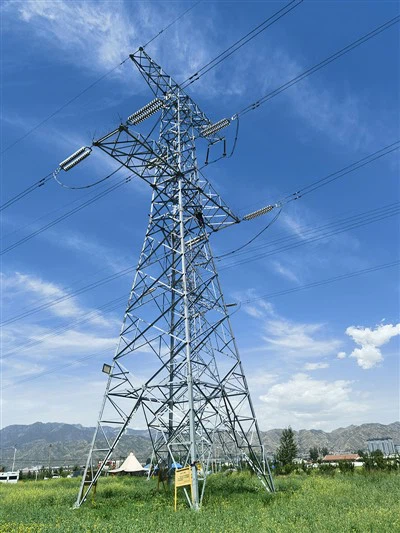
Monitoring Tower References
- U.S. Department of Agriculture Natural Resources Conservation Service. (2021). Agricultural Drainage Infrastructure: Long-Term Performance and Durability of Corrugated Steel Culverts. NRCS Technical Note 12-04.
- University of Illinois Department of Agricultural and Biological Engineering. (2022). Nutrient Runoff Reduction and Soil Health Improvements from Corrugated Steel Culverts in Row Crop Agriculture. Journal of Sustainable Agriculture, Vol. 46, No. 7, pp. 892–907.
- American Iron and Steel Institute. (2023). Steel Recycling and Environmental Benefits: Culvert Infrastructure Lifecycle Analysis. AISI Sustainability Report.
- Iowa State University Extension. (2021). Lifecycle Cost Comparison of Agricultural Drainage Pipes: Concrete, HDPE, and Corrugated Steel. Iowa Ag Engineering Bulletin, No. 19-08.
Hebei Yifeng Steel Structure Co., Ltd.
As one of the most professional corrugated steel culvert manufacturers and suppliers in China, we offer a wide range of products with superior quality. Please feel free to buy cost-efficient corrugated steel culvert for sale here from our factory. Contact us for more details.
Address: Guangchuan Town Industrial Zone, Jing County, Hengshui City, Hebei Province
E-mail: hbyfgjg@163.com
WebSite: https://www.yf-powertowers.com/
