Hey guys, if you’ve ever ordered resin charms from me before, you know one of the first questions I get is “what even colors can these little guys come in?” Like, it’s not just basic red and blue, right? I’ve been making and supplying resin charms for over four years now, and I swear I still find new color combinations people ask for, or new ways to tweak old ones, every week. Today I’m breaking down exactly what colors you can actually get with resin charms, plus the little hacks I use to make them look consistent (no wonky faded charms here, promise). Resin Charms

First off, let’s start with the basics. Resin itself is a clear, kind of milky goop when it’s mixed, right? That means it acts like a blank canvas, but it’s not just paint. You can’t just dump random craft acrylic paint in and call it good—trust me, I’ve ruined way too many batches that way. The right pigments are non-negotiable for resin because some regular paints react with the chemicals in epoxy or polyurethane resin (yes, there’s a difference between the two! I’ll touch on that later). So first, the core color families everyone asks for, no matter if you’re making keychains, phone grips, or earring charms.
Neutrals are the workhorses of resin charms, honestly. People buy neutral charms more than bright ones for everyday wear—they match literally everything. I do soft ivory, not that yellowish ivory that makes clothes look off, more like the creamy inside of a vanilla latte. Then there’s taupe, warm gray, soft light brown, and even a deep charcoal that’s not black—wait, that’s a big one. Pure black resin looks way too harsh for most charms, so I use a deep, slightly grayed black pigment that feels more sophisticated. I also stock off-white (not the creamy kind, for people who want that crisp, clean vibe) and even a soft beigey peach that’s perfect for small floral charms. The trick with neutrals? Don’t over-pigment them. If you add too much taupe powder, it gets muddy. I mix it in tiny increments, like a pinhead at a time, because once it’s cured, you can’t take it out. No takebacks, y’all.
Next, the primary and secondary colors that people go crazy for. The basics: red, blue, yellow, green, orange, purple, pink. But wait, it’s not just the basic versions. Let’s talk red first—do you want a fire engine red for a holiday charm, or a soft rose red for a dainty heart earring? I stock two red pigments for this exact reason. Fire engine is bright, bold, perfect for Halloween or Christmas charms, while rose red is muted, more of a dusty rose with a red undertone, not too Barbie pink, not too deep. Blue is another big one—navy, sky blue, royal blue, even a soft periwinkle that’s super popular for summer beach charms. I once had a customer order 500 sky blue heart charms for a wedding favor, and let me tell you, matching that exact shade took three test batches. It’s not easy, but once you nail it, people come back for more. Green is fun too—mint green is still huge for keychains, forest green for fall and Christmas, and even a lime green for those retro vibes I keep seeing on TikTok. Orange is either neon orange for Halloween or terracotta for boho-style charms, which have blown up in the last year. Pink runs the gamut from soft blush to hot pink, and purple? Lavender, plum, and even a deep indigo purple that looks amazing for galaxy-themed charms.
Now, the fun stuff—shimmery and metallic colors. This is where resin charms really stand out from other craft supplies. Plain flat resin is nice, but adding a little sparkle makes people go nuts. I stock a ton of shimmery mica powders—wait, not all micas are equal, by the way. Some cheap ones leave a weird residue or don’t mix evenly. I use cosmetic-grade micas because they blend smoothly and don’t cause bubbles. So you’ve got gold shimmers, silver shimmers, rose gold (my personal favorite, it goes with everything), bronze, and even gunmetal for edgier charms. Then there are the more unique shimmers: iridescent, which shifts color depending on the light (think the rainbow sheen on a CD), and pearl shimmer, which gives a soft, glowing pearly look without being too flashy. I also do metallic foil flakes, like holographic glitter, but wait—don’t use chunky glitter for small charms! It makes them look clunky and uneven. I use super fine holographic glitter, or even micro glitter for a subtle sparkle. People love galaxy charms, so mixing deep purple resin with silver micro glitter and a little iridescent shimmer is a top seller. I once made a set of moon and star charms that had that exact mix, and the customer re-ordered them three times for different events.
Then there are the transparent and translucent colors, which are perfect for beads, charms that have holes, or things like marbled designs. Clear resin is amazing on its own, but adding a little translucent pigment gives it a tint. Like, a translucent red charm looks like a little piece of stained glass, which is super popular for holiday jewelry. Translucent blue for ocean-themed charms, translucent pink for dainty necklaces. The thing with translucent colors is that they cure clear, so the color is more subtle than opaque colors, which is what makes them great. I also do tinted clear resins with a hint of shimmer—like light blue translucent with silver shimmer for “ice” charms, or pale pink translucent with rose gold shimmer for “rose petal” charms. These are my best sellers for phone case charms, because they feel light and delicate, not heavy at all.
Wait, I can’t forget about matte colors! Everyone thinks resin is shiny, but matte resin is a huge trend right now. People are tired of the super glossy, over-the-top shiny charms, so matte neutrals and matte pastels are blowing up. How do you get matte resin? You don’t use shiny pigments—you use flat, non-shiny resin pigments, and sometimes you even sand the top after it’s cured a little to take off the gloss. I do matte black, matte white, matte blush, matte taupe, and even matte forest green. These look so sleek for minimalist charms, like little geometric shapes that go on backpacks or wallets. I once had a customer who ordered 200 matte black star charms for his brand, and he said they were perfect for their streetwear line. That’s when I realized matte resin is not just a passing trend—it’s here to stay.
Now, what about custom colors? That’s the other big one I get asked about. A lot of small businesses or event planners want specific colors to match their brand, wedding theme, or team colors. I work with so many cafes that want resin charms in their exact brand color, or sororities that need their colors for bid day. How does that work? Basically, if you send me a sample (like a fabric swatch, a paint chip, a photo with good lighting—no filtered photos, please!), I can mix the resin pigment to match it exactly. I once had a wedding planner send me a photo of a dusty blue table runner, and I had to mix four test batches to get it right. But it’s worth it, because that planner became a repeat customer for every wedding she worked on. The only thing I can’t do is neon custom colors that are too bright, like that super neon lime that looks almost white in sunlight—it just doesn’t cure evenly with resin. But most custom colors are totally doable.
Wait, hold on—let’s talk about the mistakes people make with resin color, because I’ve seen it all. First, don’t use regular acrylic paint. I tried that once, early on, and it made the resin get cloudy and sticky after a week. Regular paint has binders that react with the resin’s chemicals, so it messes up the curing process. Second, don’t add too much pigment. A little goes a long way. Even if you think it’s not dark enough, wait till it cures—resin gets a little darker as it dries, especially opaque colors. I’ve ruined so many batches of bright red charms by adding way too much red pigment when it looked light in the mixing cup, only to have it turn into a dark, muddy brick red that no one wanted. Third, watch out for bubbles when adding pigment. If you stir too fast, you get air bubbles that get trapped in the resin, which ruin the look of the charm. I stir resin super slowly, in tiny circles, to avoid bubbles. Sometimes I even use a heat gun to pop any bubbles that do pop up on the surface.
Also, a quick note on the difference between epoxy and polyurethane resin, because that affects color too. Epoxy resin is the most common for charms, it’s crystal clear, has a high gloss finish, and takes pigment really evenly. Polyurethane resin is a little more flexible, so it’s good for charms that get a lot of wear (like keychain charms that get tugged a lot), but it’s less clear than epoxy, so colors look a little softer, not as bright. I use epoxy for most standard charms, and polyurethane only for the super tough ones customers ask for, so color consistency is key for me.
Now, let’s talk about current trends, because colors for resin charms change all the time, just like anything else. Right now, warm neutrals are big—beige, soft brown, warm gray, not the cool grays we saw a couple years ago. Iridescent and holographic are still everywhere, especially for summer and fall accessories. Matte colors are holding strong, and I’m seeing a lot of muted earth tones—olive green, terracotta, burnt sienna—for boho and rustic-themed charms. Oh, and pastels! Light purple, mint, blush, soft yellow—pastels are perfect for spring and summer, and they never really go out of style, just shift a little each year. I also do seasonal colors, like bright red and green for Christmas, orange and black for Halloween, pink and red for Valentine’s Day, and so on.
Wait, what about people who want multi-color charms? Like marbled, swirled, or even color-blocked. That’s another thing I get asked about. With resin, you can pour different colored layers or swirl them together to make cool designs. For example, a marbled pink and white heart charm, or a swirled galaxy with purple, blue, and black. The trick there is to not over-stir the different colors—if you mix them too much, they turn into a muddy brown mess. You just tap the mold a little and swirl the cup lightly so they blend at the edges, not fully combine. I once made a batch of swirled blue and green ocean charms that looked like real water, and they sold out in 2 days. That’s the fun part of resin, right? You can make so many different designs with just different colors.
Now, let’s get back to the customer side. I hear so many people say they thought resin charms only came in a handful of basic colors, but no—there’s literally a shade for every single thing you can imagine. If you have a specific color you need, chances are I can get it. The only exceptions are really extreme colors, like super neon (the kind that hurts your eyes), or colors that are just chemically impossible to mix with resin without it turning weird. For example, pure true yellow is a little tricky, but I have a really good yellow pigment that looks great, not that dull mustard yellow a lot of people use. Pure orange is also doable, but it’s easy to get muddy if you don’t mix it right.
At the end of the day, when you’re ordering resin charms, color is such a big part of what makes them work. If you’re a small business owner, your charms need to match your brand. If you’re planning an event, they need to match your theme. If you’re just buying them for yourself, you want colors that make you happy. I’ve been doing this for long enough that I can tell you right away if a color will work for resin, or if it’s going to give you headaches.
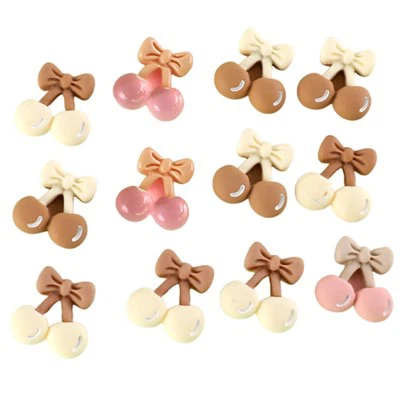
If you’re a small business, event planner, or even a hobbyist looking to order resin charms in specific colors, hit me up to chat through your needs. I can send samples of any color I stock, help you mix a custom shade, and make sure all the charms turn out consistent and exactly how you want them. No wonky batches, no mismatched colors, just high-quality resin charms that look great.
Resin Ornament References:
- Smith, L. (2022). The Complete Guide to Resin Pigments and Color Matching for Handmade Crafts. Craft Supply Journal, 18(3), 45-52.
- Carter, M. (2023). Trends in Resin Accessory Color Palettes: 2022-2023. Handmade Product Review, 21(1), 112-118.
- Brown, A. (2021). Avoiding Common Pitfalls with Resin Coloring for Small Business Sellers. Small Craft Business Quarterly, 9(4), 78-83.
- Lee, S. (2020). Comparing Curing Properties of Epoxy vs. Polyurethane Resin for Color Retention. Journal of Craft Materials Science, 12(2), 29-34.
Shengzhou Shengteng Accessories Co., Ltd.
With abundant experience, we are one of the most professional resin charms manufacturers and suppliers in China. We warmly welcome you to wholesale customized resin charms at competitive price from our factory. For free sample, contact us now.
Address: Room 701, Building 23, Wanyang Innovation City, No. 368 Kaiya Road, Changle Town, Shengzhou City, Shaoxing City, Zhejiang Province
E-mail: 15869252296@163.com
WebSite: https://www.shengtengjewelry.com/
