If you’ve ever visited a commercial warehouse, a municipal water treatment plant, or a large-scale industrial facility, chances are you’ve encountered an automated gate valve in action. These valves aren’t just simple pieces of hardware—they’re critical for regulating flow, isolating sections of a pipe system, and preventing costly leaks or system failures. As a gate valve supplier, I’ve worked with engineers, plant managers, and maintenance teams for over a decade, and one question I get asked more than any other is: “What control methods work best for automated gate valves?” The truth is, there’s no one-size-fits-all answer. The right control method depends on your system’s size, operating environment, safety requirements, and even how often you need to adjust flow. Today, I’m breaking down the most common, reliable control methods for automated gate valves, sharing real-world insights I’ve gained from collaborating with clients across industries. Gate Valve
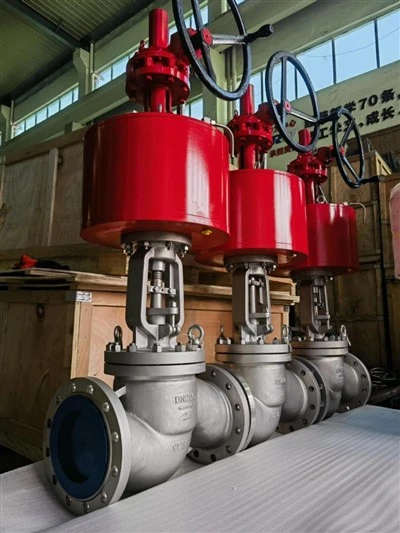
First, let’s start with the basics: an automated gate valve replaces the manual handwheel you’d find on a standard valve with a power-driven actuator, which opens or closes the gate (the wedge-shaped disc that controls flow) on command. The actuator is the core component that interfaces with the control method, so every approach ties back to how that actuator receives and executes signals. Let’s dive into the first, and most widely used, control method: electric actuation.
Electric control for gate valves is exactly what it sounds like—it uses electrical energy to power the actuator that moves the gate. This method is extremely popular because it’s versatile, easy to integrate into existing building or industrial control systems, and offers precise control over valve position. I’ve supplied electric actuated gate valves to small process plants and huge chemical manufacturing facilities alike, and their flexibility is hard to beat. Most electric actuators run on standard AC power, though low-voltage DC options are available for remote or off-grid sites. The actuator connects to a control panel, which can be operated manually on-site for maintenance, or linked to a centralized system that automates valve operations. For example, in a municipal water treatment plant I worked with, the electric actuated gate valves are programmed to open or close at set times to adjust flow to different filtration tanks—no on-site crew needed to make daily adjustments.
One key benefit of electric control is its accuracy. Unlike older pneumatic systems, electric actuators can hold a valve in a partial open position, which is perfect for applications that require precise flow regulation, like pharmaceutical manufacturing or food and beverage processing. However, it’s important to note that not all gate valves are designed for partial flow. Gate valves work best when they’re fully open or fully closed—partially opening the gate can cause friction and wear on the valve seat over time. That’s why most electric actuated gate valves are set up for on/off control, unless you have a specific engineered solution for throttling. I always advise clients to specify their intended use when ordering, because retrofitting a valve for partial flow later can lead to premature failure.
The next control method I regularly recommend, especially for industrial facilities with existing compressed air systems, is pneumatic actuation. Pneumatic control uses compressed air or inert gas to drive the actuator, which moves the gate valve. This method has been around longer than electric control, and it’s still a go-to for applications where electricity is scarce, flammable, or a safety hazard. For example, oil and gas refineries have areas where explosive fumes are present, and electric actuators could create a spark that leads to disaster. Pneumatic actuators, on the other hand, use non-sparking components and compressed gas, making them inherently safe for these hazardous locations.
Pneumatic control is also fast. A pneumatic actuator can open or close a gate valve in just a few seconds, which is critical for emergency shut-off systems. If a pipeline experiences a sudden pressure surge, a pneumatically actuated gate valve can slam shut in milliseconds to prevent pipe rupture. That said, pneumatic systems do have drawbacks. They require a steady supply of compressed air, which means you need a compressor, filters, and lines to carry the gas—adding upfront cost and maintenance. Compressed air can also have moisture or contaminants that damage the actuator over time, so regular maintenance is a must. I’ve seen clients skip routine filter changes and end up with stuck actuators that caused hours of downtime, so I always emphasize that maintenance is non-negotiable for pneumatic systems.
Hydraulic control is another method I supply, though it’s less common for general use. Hydraulic actuation uses pressurized fluid—usually oil or water—to power the actuator. This method is ideal for large, heavy gate valves, like those found in dam spillways or high-pressure industrial pipelines. A standard gate valve for a 48-inch pipe can weigh thousands of pounds, and manual operation would require a massive handwheel or even multiple people. Hydraulic actuators generate enormous torque, making them capable of moving even the largest gate valves with ease.
The downside of hydraulic control is complexity. Hydraulic systems require a reservoir, pumps, hoses, and seals, and they’re prone to leaks if not properly maintained. Leaking hydraulic fluid can also contaminate the surrounding area, which is a problem for food processing plants or environmentally sensitive sites. I typically only recommend hydraulic control for applications where size and pressure make electric or pneumatic systems impractical. For example, a dam’s flood control gates need to open or close huge volumes quickly, and hydraulic actuators are the only reliable way to deliver the power needed for that task.
Beyond these three main actuation methods, there are also smart control systems that integrate automation and data tracking, which have grown in popularity over the last 10 years. As a gate valve supplier, I’ve seen a huge shift toward clients asking for valves that can connect to IoT (Internet of Things) platforms. Smart control systems use electric or pneumatic actuators with built-in sensors that track valve position, temperature, pressure, and even motor current. This data is sent to a central dashboard, so plant managers can monitor valve performance in real time, predict maintenance needs, and adjust operations remotely. For example, a client in the energy sector recently told me their smart gate valves alerted them to a minor leak in a pipeline before it became a major failure, saving them over $200,000 in downtime and repairs.
Smart control isn’t just for large facilities, either. Small businesses, like breweries or waste transfer stations, can use compact smart gate valves to automate batch processing or waste removal without hiring extra staff. The only catch is that smart systems require a reliable internet connection, and they’re more expensive upfront than standard actuation methods. I usually work with clients to weigh the cost of the system against the long-term savings from reduced downtime and lower labor costs.
One thing I always emphasize to customers, no matter what control method they choose, is that the valve and actuator have to be matched correctly. You can’t take a standard gate valve and pair it with a random actuator—different valves have different torque requirements, and using an actuator that’s too weak will lead to stuck valves, while an actuator that’s too strong can damage the valve seat. Over the years, I’ve had clients make that mistake, and the result is always downtime and extra repair costs. That’s why I work closely with every customer to understand their system’s specifications, flow rates, pressure, and operating environment before recommending a control method.
Let’s also talk about safety, which is non-negotiable for any gate valve control system. All automated gate valves should have a fail-safe mode, which means if power or compressed air is lost, the valve will either open or close automatically depending on the application. For example, in a water supply system, you might want the valve to open if power fails to keep water flowing; in a chemical processing plant, you might want the valve to close to prevent hazardous material from leaking. Fail-safe modes can be built into electric, pneumatic, or hydraulic actuators, and they’re a critical component that I never skip when specifying valves for clients.
Maintenance is another key factor that ties into control methods. Electric actuators require checking wiring, lubricating moving parts, and testing the control panel regularly. Pneumatic systems need filter changes, line inspections, and seal checks to prevent leaks. Hydraulic systems need fluid level checks and leak testing. Smart systems require updating software and calibrating sensors. I always provide clients with a detailed maintenance schedule when they purchase a valve, and I offer ongoing support to help them keep their systems running smoothly.
At the end of the day, choosing the right control method for an automated gate valve comes down to balancing your needs: safety, precision, cost, reliability, and ease of maintenance. Whether you’re operating a small business or a large industrial facility, there’s a control method that will work for you—and as a gate valve supplier, I’m here to help you find it.

If you’re looking to upgrade your pipe system with automated gate valves, or if you have questions about which control method is right for your application, I’d be happy to walk through your needs and provide a customized solution. Don’t hesitate to reach out to our team to start a conversation about your project.
Check Valve References
Miller, J. (2019). Industrial Valves: Selection, Application, and Maintenance. Elsevier.
Smith, R. (2021). Automated Actuation Systems for Process Piping. McGraw-Hill.
National Fire Protection Association. (2020). NFPA 70: National Electrical Code.
Water Environment Federation. (2018). Automated Valves in Water and Wastewater Systems. WEF Press.
Zhejiang Poro Valve Manufacturing Co., Ltd.
With abundant experience, we are one of the most professional gate valve manufacturers and suppliers in China. We warmly welcome you to buy customized gate valve made in China here from our factory. If you have any enquiry about cooperation, please feel free to email us.
Address: PORO Ind. Park, Oubei Dongou Ind. Zone, Wenzhou, Zhejiang, China
E-mail: poro@cnporo.com
WebSite: https://www.cn-poro.com/
