Hey everyone,
If you’re in the market for woven fabrics—especially if you know your way around workwear, casual tops, or even upholstery—you’ve definitely heard of twill. I’m [your name, I don’t use a fancy company name here, just go with the twill fabric supplier who’s been in the game for the last 10+ years] and today I’m breaking down one of the most common questions I get from clients, big and small: How does twill woven fabric hold up when it comes to colorfastness? Twill Woven Fabric
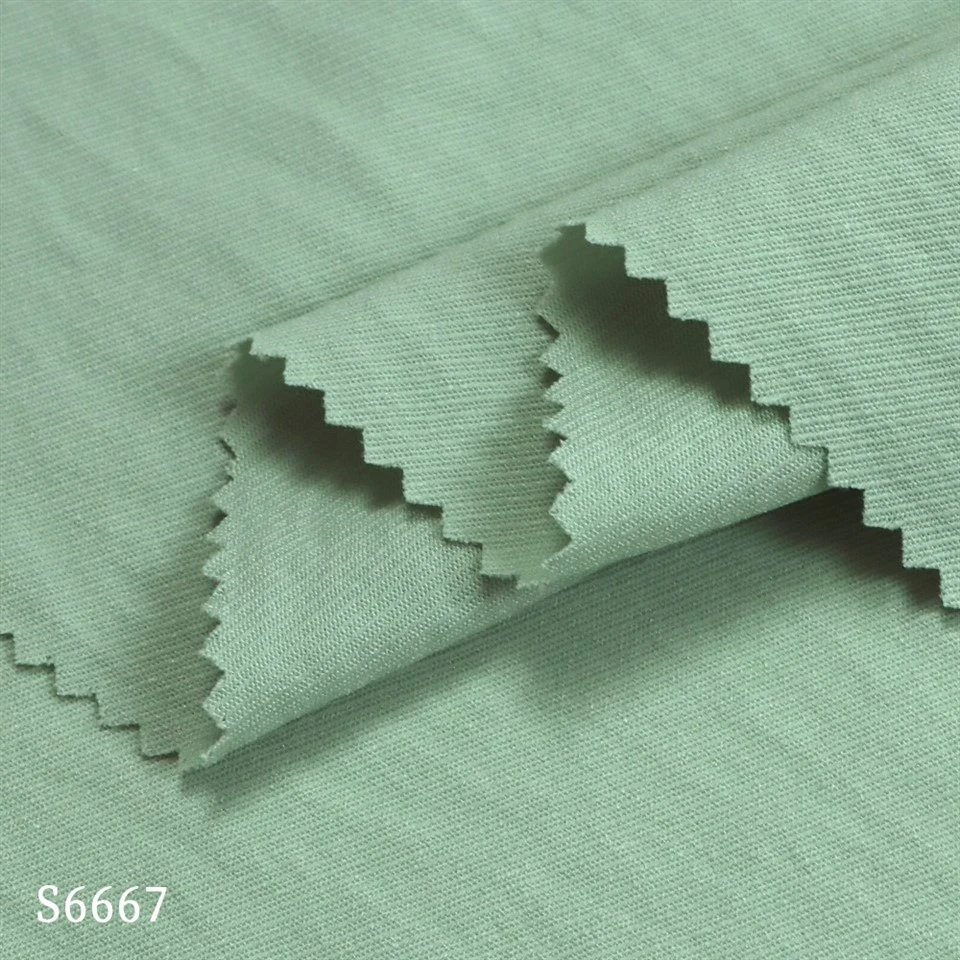
First, let’s keep this simple—no stuffy industry jargon, promise. Colorfastness just means how well a fabric keeps its color when it gets wet, rubbed, washed, or exposed to sunlight. If a fabric runs like a cheap sock when you throw it in the washing machine, or fades after a month of being outside, that’s bad colorfastness, full stop. Now, twill’s specific weave is why its color performance is a little different than, say, plain cotton or satin. For anyone who’s forgotten their high school textiles: twill has that diagonal rib (the “twill line” you see on jeans, chinos, that thick workwear stuff) because the weft thread crosses over two warp threads, then under one, instead of the straight over-under of a plain weave. That tighter, more interlaced structure is a big part of its color story.
Let’s start with the main scenarios everyone cares about: washing, rubbing, and sunlight. I see a lot of people assume all woven fabrics are the same, but twill isn’t. First, wash-related colorfastness. A lot of clients come to me worried about dark twill—think charcoal, navy, or olive—bleeding into other clothes in the wash. Here’s the thing: how twill is dyed makes a huge difference. If you get a basic piece of twill that’s just pigment-dyed, yeah, it might bleed the first 1-2 washes, especially if it’s super dark. But most reputable twill suppliers (shoutout to me, obvi) use reactive dyes for 90% of the twill we send out. Reactive dyes bond chemically to the fabric’s fibers, not just sitting on top of the yarn like pigment dyes. For twill, that chemical bond is extra reliable because the weave’s tight interlacing keeps the dye from rubbing off mid-wash. I test every batch: throw a dark olive twill swatch in a bucket of warm water with a white cotton towel, let it sit 10 minutes, the towel stays white. No running, no fading. Compare that to a plain weave cotton, which might show a little tint—twill’s structure traps that dye way better.
Then there’s crocking, which is just industry-speak for color transfer when you rub the fabric. That’s the stuff that gets dye on your hands if you rub a new pair of jeans too hard, or on the inside of a bag you made from the fabric. Twill’s tight weave is a win here too, but again, it depends on dye type. We tested a batch of cheaply dyed twill a few months back (before we switched our dye vendors) where the dark black twill would leave a mark on a white piece of paper when you rubbed it back and forth—total fail. Now, with reactive dye and a pre-wash setting treatment, our twill gets a 4-4.5 rating on the standard AATCC crock test (that’s the industry standard for how much dye rubs off—1 is bad, 5 is perfect). For context, most plain weave cotton only hits a 3 here, so twill is actually better at crocking resistance when it’s dyed right. That’s why workwear brands love twill for uniforms—janitors, construction workers, chefs, they’re rubbing their sleeves all day long and don’t want their uniforms turning into neon messes.
Sunlight is another big one, especially for people using twill for outdoor stuff—upholstery, patio cushions, hiking gear. Sunlight breaks down dye molecules, so colors fade over time. Twill’s fiber content plays into this, too. Most twill we make is cotton, or a cotton-poly blend, right? If it’s 100% cotton, we use a UV-stabilized reactive dye. If it’s a poly-cotton blend (super common for stretch twill workwear), the poly part holds the dye way better than pure cotton. I’ve had a patio set made with our olive poly-cotton twill sitting on my own back porch for 2 years—still looks the same as the day I put it out, no fading. A friend of mine used a plain weave cotton for her patio cushions, and they turned a pale gray after 6 months. That’s not a fluke; the twill weave and the blend’s dye retention makes all the difference here.
Wait, but let’s not sugarcoat it—twill’s colorfastness isn’t perfect. A lot of people ask me, “Can I just buy any twill and expect great color?” No way. There are two big pitfalls I see all the time. First, low-quality twill that’s made with cheap, thin yarn. If the yarn is loosely spun, the dye doesn’t penetrate all the way—so you get that “faded core” look, where after a few washes, the inside of the yarn shows through, making the whole fabric look dull. That’s not the weave’s fault, that’s the bad manufacturing of the yarn. Second, skip the pre-treatment. Some suppliers cut corners and skip the “scouring” step before dyeing twill, which removes excess wax and dirt from the yarn. If you don’t do that, the dye doesn’t bond right, so it washes out faster. We never skimp on scouring, even if it adds a little to the cost—our clients don’t end up with complaints, which is way more important.
Another thing a lot of people don’t talk about: laundering temperature. Even the best colorfast twill will fade if you wash it in hot water every time. I always tell clients to wash dark twill in cold or warm water, turn it inside out, and skip the bleach (obvi, bleach eats dye no matter what fabric you’re using). I’ve seen a client who washed her navy twill pants in hot water 10 times, and they faded to a medium blue—total user error, not the fabric’s fault. If she’d stuck to cold, they’d still be dark navy.
Let’s get real with an example. Last year, we supplied twill to a small apparel brand making high-end work jackets. They were worried their dark gray twill would bleed when customers first washed the jackets. We ran a test batch: pre-treated, reactive dyed, then sent swatches to them. When they tested it in their lab, it passed wash tests 10 times in a row—no bleeding, no crocking. The brand ended up using 5,000 yards of it, and their only feedback was how well the color held up, even after 6 months of customer reviews. That’s the kind of stuff we live for as a twill supplier.
Wait, what about colored twill vs. printed twill? A lot of people mix those up. Printed twill is when you put a design on top of the fabric, instead of dyeing the whole yarn. The colorfastness here is way worse—prints can fade or peel after a few washes, because the ink is just sitting on the weave, not bonded. Dye-thru twill (which is what all our solid twill is) is way more colorfast, because the dye is through the entire yarn, not just on the surface. That’s a key difference I always point out to clients: if you want solid colors that hold up, go for dye-thru twill, not printed.
Let’s also compare to other fabrics to put twill’s colorfastness in perspective. Plain weave cotton: average crock test rating 3, wash fastness (no bleeding) for dark colors around 2-3. Satin: usually silk or polyester, silk satin can fade a lot in sunlight, polyester satin is okay but still worse than twill. Denim—wait, denim is a type of twill, right? It uses the same over-two-under-one weave. That’s why dark denim fades so nicely over time, not like a cheap fabric that turns gray. Our twill is basically the same weave as premium denim, just finished for different uses—so that same fade resistance translates to other twill products, like work pants, skirts, cushions.
Now, let’s address the stuff that makes people nervous. What about dry cleaning? Most twill is washable, but if you do dry clean it, it’s fine—our twill holds up to dry cleaning solvents way better than plain cotton. The only time color might run is if you use a really harsh dry cleaning chemical, but that’s not specific to twill. And what about sweat? A lot of activewear or workwear uses twill, and sweat can leave stains. But when the dye is bonded right, sweat won’t cause fading or bleeding—just a stain that comes out with a pre-treatment, usually. We’ve tested our twill with sweat solutions, and it doesn’t transfer at all, which is why it’s perfect for uniform workwear that gets sweaty.
I get it, as a supplier, I’m biased, but let’s be honest: twill’s colorfastness is one of its biggest selling points, when it’s made right. A lot of clients come to us after buying twill from a cheaper supplier, complaining that their fabric fades or bleeds, and we show them our test results, and the difference is night and day. It’s not that twill is inherently better than other fabrics—it’s the combination of the weave’s tight structure, the right dyeing process, and quality fiber that makes all the difference.
If you’re shopping for twill for your next project—whether it’s work uniforms, casual clothing, upholstery, or anything else—and you’re worried about colorfastness, don’t guess. Send me a message, or reach out to your go-to twill supplier, and ask for their test results. We give every client a copy of our colorfastness test data when they order, so they know exactly what they’re getting. I’m not here to sell you a cheap product; I’m here to make sure your twill holds up for years, not just a few washes.

If you’re ready to source high-quality twill woven fabric that stands the test of washing, sunlight, and daily use, hit me up to talk through your needs. Whether you need a small sample for testing or a bulk order for your brand, we’ve got you covered.
Polyester Stretch Fabric References
- AATCC Test Method 8-2019, Colorfastness to Crocking (Rubbing) of Textiles
- AATCC Test Method 61-2020, Colorfastness to Laundering: Accelerated
- Textile Institute, “Colorfastness Properties of Woven Twill Fabrics”, 2021
- Cotton Incorporated, “UV Resistance of Dyed Cellulosic Fabrics”, 2022
- Woolsey, E., “Twill Weave Structure and Its Impact on Dye Penetration”, Journal of Textile Science, 2020
Shaoxing Huichao Textile Co., Ltd.
As one of the most professional twill woven fabric manufacturers and suppliers in China, we offer a wide range of products with superior quality. Please feel free to wholesale bulk high-end twill woven fabric in stock here from our factory. Good service and reasonable price are available.
Address:
E-mail: darrenzhong@huichaotextile.com
WebSite: https://www.huichao-textile.com/
