Hey there! I’m a supplier of pretreatment auxiliaries, and I’ve been in this game for quite a while. One question that often comes up is how these pretreatment auxiliaries impact the fabric’s strength. Well, let’s dive right in and explore this topic. Pretreatment Auxiliaries
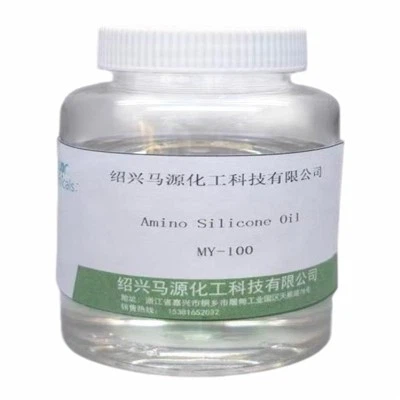
First off, what are pretreatment auxiliaries? They’re basically chemicals or substances that we use before the main processing of fabrics. These auxiliaries can do a whole bunch of things, like removing impurities, improving dyeability, and yes, affecting the fabric’s strength.
Let’s talk about the different types of pretreatment auxiliaries and how they can mess with the fabric’s strength.
Detergents and Scouring Agents
Detergents and scouring agents are some of the most common pretreatment auxiliaries. Their main job is to clean the fabric, getting rid of dirt, oil, and other contaminants. When we use these agents, we’re essentially stripping the fabric of its natural oils and impurities.
Now, here’s the thing. If we use the right amount and the right type of detergent or scouring agent, it can actually improve the fabric’s strength. By removing the dirt and impurities, we’re allowing the fibers to be more evenly distributed and better bonded together. This can lead to a stronger fabric overall.
But if we go overboard, it can have the opposite effect. Using too much detergent or a harsh scouring agent can damage the fibers, making the fabric weaker. The fibers can become brittle and more prone to breaking. So, it’s all about finding that sweet spot.
Bleaching Agents
Bleaching agents are used to whiten the fabric and remove any natural color. There are different types of bleaching agents, like hydrogen peroxide and sodium hypochlorite.
When used correctly, bleaching agents can enhance the fabric’s strength. They can break down the natural pigments in the fabric, making it more uniform and easier to dye. This can also improve the fabric’s overall appearance.
However, bleaching agents can also be quite harsh. If we use them in high concentrations or for too long, they can damage the fibers. The bleaching process can weaken the chemical bonds in the fibers, leading to a loss of strength. So, again, it’s important to use the right amount and follow the proper procedures.
Enzymes
Enzymes are another type of pretreatment auxiliary. They’re biological catalysts that can break down specific substances in the fabric. For example, amylase enzymes can break down starch, which is often used as a sizing agent in fabrics.
Enzymes are great because they’re more environmentally friendly and can be very effective at removing impurities. They can also improve the fabric’s strength by making the fibers more flexible and less prone to breakage.
But like any other pretreatment auxiliary, enzymes need to be used correctly. If the temperature or pH is not right, the enzymes may not work properly, or they could even damage the fabric.
Softeners
Softeners are used to make the fabric feel softer and more comfortable. They can also improve the fabric’s drape and reduce static.
Some softeners can actually have a positive impact on the fabric’s strength. They can lubricate the fibers, reducing friction and making the fabric more resistant to abrasion. This can help to extend the life of the fabric.
However, not all softeners are created equal. Some cheap or low-quality softeners may leave a residue on the fabric, which can weaken the fibers over time. So, it’s important to choose a high-quality softener that is compatible with the fabric.
Impact on Different Types of Fabrics
The impact of pretreatment auxiliaries on fabric strength can also vary depending on the type of fabric. For example, natural fibers like cotton and wool are more sensitive to the chemicals in pretreatment auxiliaries. They can be easily damaged if the wrong type or amount of auxiliary is used.
Synthetic fibers, on the other hand, are generally more resistant to the effects of pretreatment auxiliaries. However, they can still be affected if the conditions are too harsh.
For example, polyester is a synthetic fiber that is known for its strength and durability. But if we use a very strong bleaching agent on polyester, it can still damage the fibers and reduce the fabric’s strength.
How to Minimize Negative Impact
As a supplier of pretreatment auxiliaries, I understand the importance of minimizing the negative impact on fabric strength. Here are some tips that I often share with my customers:
- Choose the right auxiliary: Different fabrics require different types of pretreatment auxiliaries. Make sure to choose an auxiliary that is specifically designed for the type of fabric you’re working with.
- Follow the instructions: Always follow the manufacturer’s instructions when using pretreatment auxiliaries. This includes the recommended concentration, temperature, and time.
- Test the auxiliary: Before using a new auxiliary on a large batch of fabric, it’s a good idea to test it on a small sample first. This can help you to determine if the auxiliary is compatible with the fabric and if it will have a negative impact on the strength.
- Use high-quality auxiliaries: Investing in high-quality pretreatment auxiliaries can make a big difference. They are usually more effective and less likely to damage the fabric.
Conclusion
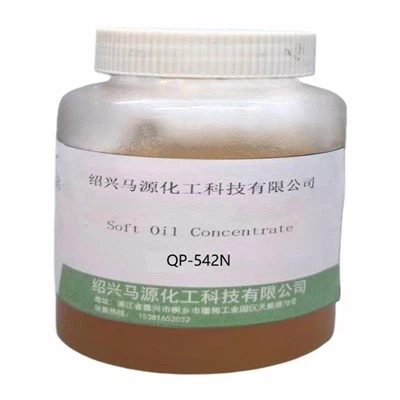
In conclusion, pretreatment auxiliaries can have a significant impact on the fabric’s strength. When used correctly, they can improve the fabric’s strength, appearance, and durability. However, if used incorrectly, they can damage the fibers and reduce the fabric’s strength.
Pretreatment Auxiliaries As a supplier of pretreatment auxiliaries, I’m here to help you choose the right products and ensure that you get the best results. If you’re interested in learning more about our products or have any questions about how pretreatment auxiliaries can impact your fabric, don’t hesitate to reach out. We’re always happy to have a chat and help you find the right solutions for your needs.
References
- Textile Chemistry: Fundamentals and Applications, by S. M. Al-Deyab
- Handbook of Textile and Industrial Dyeing, by M. Lewis
- Textile Pretreatment and Dyeing, by R. M. Christie
Shaoxing Mayor Chemical & Technology Co., Ltd.
We are one of the most reliable pretreatment auxiliaries manufacturers and suppliers in China, specialized in providing high quality products with low price. We warmly welcome you to buy discount pretreatment auxiliaries for sale here from our factory. For pricelist, contact us now.
Address: No. 78, Tianshun Road, Tudian Industrial Park, Tongxiang City, Jiaxing City, Zhejiang Province, China
E-mail: 627249875@qq.com
WebSite: https://www.mayorchemicals.com/
